

What Happens During a Facelift in Islamabad From Consultation to Recovery?
Considering cosmetic surgery can feel overwhelming when you do not know what happens before, during, and after the procedure. Anyone researching Facelift in Islamabad may find general descriptions online, but understanding the complete treatment journey can make the process easier to understand. A facelift is not simply the surgical procedure itself. It involves consultation, preparation, anesthesia, carefully planned surgical work, early recovery, follow-up, and gradual improvement. Knowing what each stage involves can help patients approach the process with more realistic expectations.
The Process Begins With Consultation
The first stage is a detailed consultation with the surgeon.
During this appointment, the surgeon evaluates the patient's facial structure, skin quality, areas of laxity, and aesthetic goals. The discussion may include concerns around the cheeks, jawline, lower face, and neck.
Medical history is equally important. The surgeon needs to know about existing health conditions, medications, allergies, previous procedures, and lifestyle factors that may influence surgery or healing.
This consultation is also an opportunity for patients to ask questions about the procedure, recovery, risks, and expected outcome.
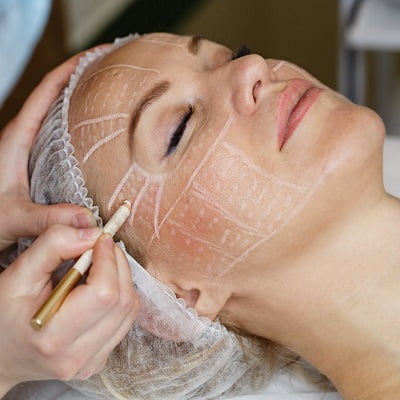
Preparing for Surgery
Once surgery is considered appropriate, the patient receives preparation instructions.
These may include guidance about medications, smoking, alcohol, skincare products, eating and drinking before anesthesia, and arranging transportation and post-operative support.
Patients should follow the surgeon's instructions rather than relying on generic preparation advice found online because requirements can vary according to the individual and surgical plan.
What Happens on the Day of Surgery?
On the day of the procedure, the patient is prepared for surgery and the planned treatment areas are reviewed.
Anesthesia is administered according to the surgical plan and the patient's needs. The surgeon then makes carefully positioned incisions designed to provide access to the underlying tissues while considering the visibility of resulting scars.
The exact technique can differ between patients because facial anatomy and the degree of aging are not identical.
How Are Facial Tissues Addressed?
The surgeon works with the deeper facial tissues and skin according to the selected technique. Depending on the individual's needs, tissues may be repositioned and excess skin may be addressed to improve facial contour.
The purpose is not simply to pull the skin tightly. A properly planned procedure considers the underlying structure and aims for a balanced result.
Once the necessary surgical work is complete, the incisions are closed carefully.
What Happens Immediately After Surgery?
After surgery, the patient is monitored while recovering from anesthesia.
Swelling, bruising, tightness, and temporary discomfort can occur during the early recovery period. These effects are part of the healing process, although their severity and duration differ between individuals.
The surgeon provides specific instructions regarding wound care, medication, sleeping position, activity, and follow-up appointments.
The Early Recovery Period
The first days require patience.
Patients are generally advised to avoid strenuous activities and follow restrictions carefully. Facial swelling can make the initial appearance very different from the eventual result.
This is why judging the final outcome immediately after surgery is not appropriate.
As healing progresses, swelling and bruising gradually decrease and facial tissues begin settling.
Follow-Up Appointments
Follow-up is an important part of surgical care.
The surgeon checks healing, examines incision sites, and determines whether recovery is progressing as expected. Any unusual symptoms should be reported rather than waiting until the next scheduled appointment.
Follow-up also gives patients an opportunity to discuss concerns as the appearance continues to change.
When Does the Final Result Appear?
A facelift result develops gradually.
Although some improvement may be visible relatively early, swelling can obscure the final contour. As healing continues, the face generally becomes more settled and natural-looking.
The timeline varies according to the procedure performed, individual healing response, age, skin characteristics, and other factors.
Final Thoughts
A facelift is a process rather than a single event. Consultation and preparation establish the surgical plan, the procedure addresses selected facial tissues, and recovery allows the result to develop gradually. Understanding each stage can help patients prepare emotionally and practically while maintaining realistic expectations about healing and final results.