

Why Do Some Surgical Scars Heal Poorly in the First Place?
A surgical incision may be carefully closed, yet the resulting scar can still become wider, darker, raised, or uneven. This can be confusing for patients who expected a small, neat line after surgery. Before considering Surgical Scar Revision in Islamabad, it is useful to understand why scars sometimes develop in an undesirable way. Healing is influenced by much more than the surgeon's incision. Skin characteristics, wound tension, infection, blood supply, aftercare, genetics, and the location of the wound can all affect the final appearance.
What Happens When a Surgical Wound Heals?
After an incision, the body immediately begins repairing damaged tissue.
New collagen is produced to strengthen the wound. During the early stage, the area may appear red, swollen, or firm.
Over time, the scar usually becomes softer and less noticeable as the healing process progresses.
However, the body does not always produce collagen in exactly the same pattern, which explains why scars can look very different from one person to another.
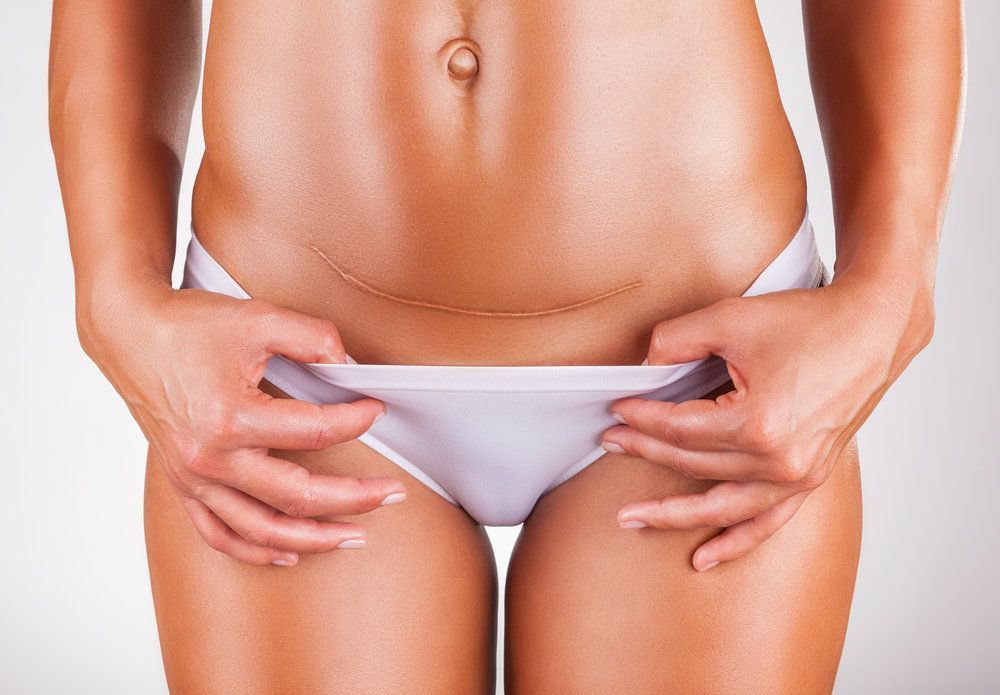
Can Wound Tension Affect a Scar?
Yes.
When a healing wound is exposed to pulling or stretching forces, the scar may become wider.
This can happen in areas that move frequently or where the skin naturally experiences tension.
The direction of the incision can also influence how visible a scar becomes.
Does Infection Change Scar Formation?
An infection can interfere with normal wound healing.
Inflammation and delayed healing may place additional stress on the tissue and potentially contribute to a more noticeable scar.
This is one reason postoperative wound care should not be ignored.
Unusual redness, increasing pain, drainage, fever, or other concerning symptoms should be discussed promptly with the treating medical professional.
Can Genetics Influence Scarring?
Some people naturally produce more noticeable scars than others.
A person's previous scar history can sometimes provide clues about how they may heal after another procedure.
Individuals who have developed raised or thick scars in the past should mention this during consultation.
Does Skin Type Matter?
Skin pigmentation and individual skin characteristics can influence how a scar looks as it matures.
Some scars may remain darker than nearby skin, while others can appear lighter.
Structural improvement and pigmentation improvement are not necessarily the same thing, so treatment needs to match the actual concern.
When Is Scar Revision Considered?
Revision may be discussed when a mature scar remains unusually wide, irregular, raised, depressed, or poorly positioned.
The surgeon evaluates whether changing the scar's structure is likely to produce useful improvement.
In some cases, non-surgical treatments may be more appropriate.
Can Poor Healing Always Be Prevented?
No.
Good surgical technique and appropriate aftercare can reduce certain risks, but individual biology remains important.
Even when a wound is managed correctly, the final scar can still behave differently from what was expected.
This is why no responsible provider should promise a completely invisible scar.
What Can Patients Do During Recovery?
Following postoperative instructions carefully is one of the most practical ways to support healing.
Patients may be advised to keep the incision clean, avoid unnecessary tension, protect the area, and attend follow-up appointments.
Sun protection may also be recommended once appropriate because ultraviolet exposure can affect the appearance of healing scars.
Final Thoughts
Poor-looking scars can result from several interacting factors rather than one single mistake. Understanding wound tension, infection, genetics, skin characteristics, and aftercare helps explain why scars differ so much between individuals.
If a surgical scar remains troublesome after adequate healing, professional assessment can determine whether revision or another treatment is appropriate.