

Can Facial Scar Revision in Islamabad Improve the Texture of Scarred Skin?
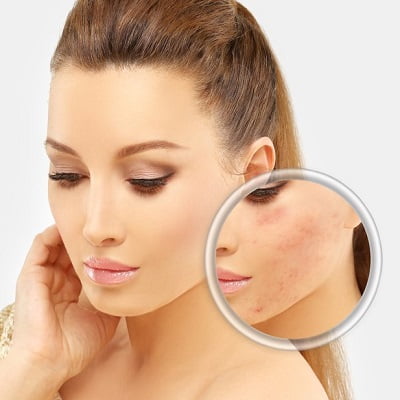
Sometimes the main concern with a facial scar is not its color or size but the way the skin feels and looks when light falls across it. People considering Facial Scar Revision in Islamabad may therefore ask whether treatment can improve uneven or rough scar texture. Texture changes can result from depressed areas, raised tissue, irregular healing, or differences between scar tissue and normal skin. Because the cause of uneven texture varies, treatment needs to focus on the specific structural feature responsible for the visible difference.
What Causes Uneven Scar Texture?
Normal skin has a relatively consistent surface structure.
Scar tissue may contain collagen arranged differently from surrounding skin. This can create areas that feel firmer, smoother, rougher, raised, or depressed.
Acne, surgery, injury, and inflammation can all create different forms of textural change.
Why Does Lighting Make Texture More Noticeable?
Uneven surfaces create shadows.
A scar that appears subtle in soft lighting may look more obvious under direct overhead light. This is why people sometimes notice texture differences more in photographs than in everyday situations.
Treatment aims to reduce the contrast between scarred and normal areas.
Can Scar Revision Improve Texture?
Certain scar revision approaches can improve the appearance of uneven texture.
The appropriate technique depends on whether the problem comes from excess tissue, missing tissue, surface irregularity, or tethering beneath the skin.
A provider needs to identify the underlying cause before selecting treatment.
Is Surface Treatment Always Enough?
No.
If a scar is caused by deeper structural changes, treating only the surface may not address the entire problem.
This is why deeper scars may require a different strategy from mild surface irregularities.
What Happens After Treatment?
The skin may initially look different because of temporary redness, swelling, or other recovery effects.
Once the early healing stage passes, the treated area can gradually settle. Longer-term remodeling may then influence the texture.
Can One Session Correct Uneven Texture?
That depends on the scar.
Some mild textural concerns may show noticeable improvement after one treatment, while deeper or multiple scars may require a series of procedures.
The provider can evaluate the response before recommending additional treatment.
Conclusion
Facial scar revision can improve certain types of uneven skin texture, particularly when the treatment is matched to the cause of the irregularity. Because scar texture can result from several different structural changes, proper assessment is essential. The goal is generally smoother-looking, better-blended skin rather than a promise of completely scar-free texture.