

Can a Facelift in Islamabad Improve Sagging Skin Around the Jawline?
The jawline is one of the areas where facial aging can become particularly noticeable. As skin and underlying tissues gradually lose support, the once-defined transition between the face and neck may become softer. Facelift in Islamabad may be considered when loose skin and tissue laxity are contributing to reduced definition around the lower face and jawline.
Why the Jawline Changes With Age
The jawline does not remain unchanged throughout adulthood. Natural aging can affect skin elasticity and the position of facial tissues, while changes in facial volume can also alter the overall contour.
When these changes occur gradually, the jawline may appear less sharp than it once did. Some people notice this first in photographs or when viewing their face from the side.
Is Loose Skin the Main Issue?
Before deciding on a facelift, it is important to determine why the jawline looks less defined. Loose skin is one possible cause, but facial fat distribution, bone structure, and changes in the neck can also contribute.
A facelift may be useful when laxity is a major factor. If the concern has another primary cause, a different treatment approach may be more appropriate. This is why assessment is more useful than assuming every soft jawline requires surgery.
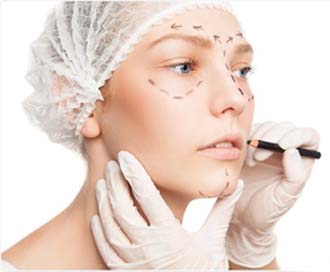
How a Facelift Addresses Lower-Face Laxity
A facelift can involve repositioning appropriate facial tissues and managing excess skin. The aim is to improve the relationship between the lower face and jawline rather than simply pulling the skin tightly.
The amount of correction depends on the patient's anatomy. The surgeon needs to determine how much laxity is present and which areas are contributing to the appearance of the jawline.
Why the Neck May Also Matter
The jawline and neck are visually connected. If loose skin extends below the jaw, treating the face alone may not address every aspect of the patient's concern.
During consultation, the surgeon can examine both areas and determine whether the neck needs to be considered as part of the overall plan. The appropriate approach varies from person to person.
Expectations About Definition
Patients sometimes expect a facelift to create an extremely sharp jawline. However, the final contour is also influenced by natural anatomy.
A surgical procedure can improve laxity but cannot change every structural characteristic of the face. A realistic objective is a more defined appearance that remains consistent with the patient's natural proportions.
What Happens During Healing?
Immediately after surgery, swelling can make the jawline look less defined rather than more defined. This can be surprising to patients who expect to see the final improvement immediately.
As healing progresses, swelling decreases and the tissues settle. The final appearance should therefore be evaluated after an appropriate recovery period rather than during the earliest postoperative stage.
Lifestyle and Future Aging
Even after improvement, the jawline will continue to age naturally. Significant weight changes, sun exposure, smoking, and other factors can influence how the face changes over time.
Maintaining healthy habits and protecting the skin can support the long-term appearance, although no lifestyle measure can permanently prevent facial aging.
Choosing the Right Approach
The best treatment for jawline aging depends on the cause. Patients should explain whether their concern is loose skin, heaviness, reduced definition, or a combination of changes.
This allows the surgeon to evaluate the area comprehensively instead of focusing only on the visible edge of the jaw.
Conclusion
Sagging around the jawline can result from several changes associated with facial aging, but loose skin and tissue laxity are common reasons people consider surgical lifting. Facelift in Islamabad may improve lower-face definition when these factors are contributing to the concern. A detailed assessment of the jawline, cheeks, and neck is important because the appropriate treatment depends on individual anatomy and the actual cause of reduced definition.