

Can I Have Hair Removal or Shaving Near a Scar After Surgical Scar Revision in Islamabad?
Hair removal is part of many people's routine, and a new scar does not pause that habit. Razors, wax strips, threading, and laser devices all pass close to the skin, and a healing scar is far more fragile than it looks. If you are planning Surgical Scar Revision in Islamabad, you will probably wonder when it is safe to return to your usual grooming. The answer depends on the location of the scar, the method of hair removal, and the stage of healing. This article explains what is safe, what should wait, and how to protect the result.
Why Grooming Needs Care Around a New Scar
A fresh incision has thin, delicate skin that tears easily and has not yet regained its normal strength. Razors can nick the surface, wax can pull away the top layer of healing tissue, and chemical creams can irritate the area. Any injury at this stage can reopen the wound, introduce infection, or widen the scar. Because the damage often looks small, patients underestimate the risk, which is why surgeons give specific grooming instructions before the operation.
Before the Procedure
Your surgeon may ask you to trim or shave the area just before surgery, particularly on the scalp, underarm, or beard region. Do not shave it yourself the night before unless told to, since tiny cuts can raise the risk of infection and may force a delay. Stop waxing and depilatory creams near the area for at least a week beforehand. The skin should arrive at the clinic clean, intact, and free of irritation.
Shaving After Surgery
Avoid shaving over or directly beside the wound until the stitches are out and the incision has fully closed, which usually takes two to four weeks, and sometimes longer. Even then, wait for your surgeon's approval. When you restart, use a clean, sharp razor, light strokes in the direction of hair growth, and plenty of shaving gel. Never press on the scar. An electric trimmer is often a gentler choice, especially for facial and beard scars.
Waxing, Threading, and Plucking
Waxing pulls the hair and often the top skin layer with it, so it is among the riskiest options near a scar. Most surgeons advise avoiding wax on and around the scar for at least two to three months, and some prefer longer for raised or keloid-prone scars. Threading and plucking are gentler but still tug on the skin and may irritate it. If you must groom, keep a clear margin from the scar and ask your surgeon how wide that margin should be.
Depilatory Creams
Hair removal creams dissolve hair with strong chemicals and can burn or inflame sensitive skin. A healing scar is especially vulnerable, and a reaction may leave redness or dark marks. Avoid them completely until the scar has matured, and test any product on a small patch of normal skin first. If the scar sits in a sensitive area such as the underarm or bikini line, be even more cautious.
Laser Hair Removal and Scars
Laser hair removal targets pigment in the hair, but a scar can also absorb the energy, leading to burns or uneven color. Most practitioners avoid treating directly over a scar for several months, and many wait six to twelve months. Dark or tanned skin carries a higher risk of pigment changes, so settings must be chosen carefully. Tell the laser operator about your surgery, and show them the scar before any session begins.
Hair Growth Within and Around the Scar
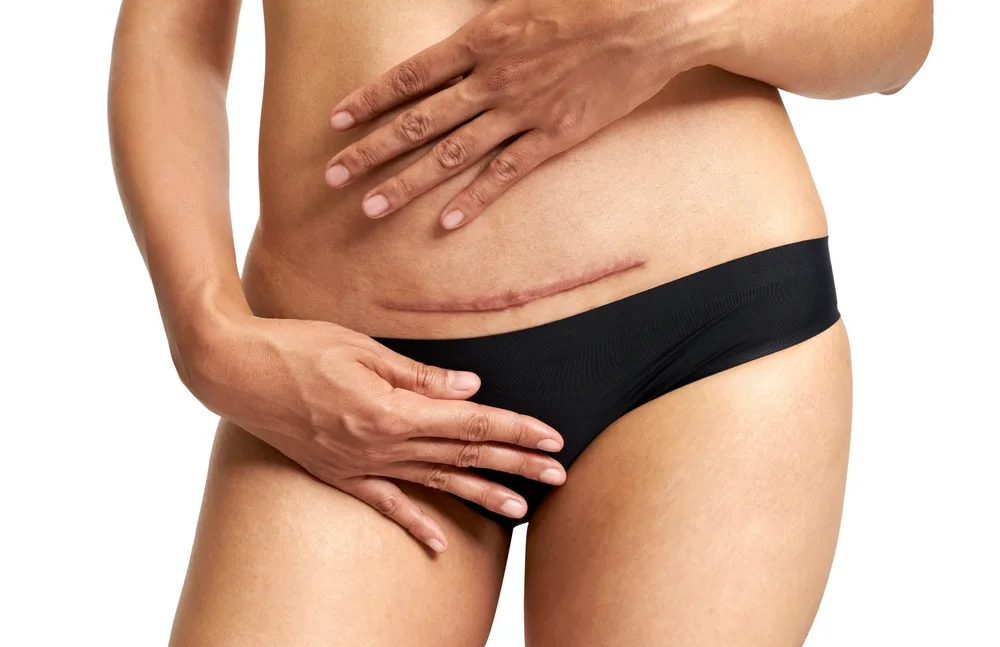
Scar tissue often has fewer or no hair follicles, so a scar may look like a smooth bald line in a hairy area. This is normal and cannot always be corrected. In the beard, scalp, or eyebrow, the gap can be noticeable, and options such as hair transplantation or micropigmentation may be discussed later. Ingrown hairs near a scar can also cause bumps, so gentle exfoliation after healing may help once your doctor approves.
Hygiene and Infection Prevention
Always use clean tools, and never share razors. Wash your hands before touching the area and clean the skin after grooming. Avoid applying perfumed deodorants or creams to broken skin. If you notice redness, pus, or increasing pain after shaving, contact your surgeon, since early treatment prevents damage to the scar.
A Simple Grooming Timeline
A rough guide may help, though your own schedule should come from your surgeon:
- Weeks 0 to 4: no shaving, waxing, or creams on or beside the wound.
- Months 1 to 3: gentle trimming or careful shaving only if approved.
- Months 6 to 12: laser hair removal near the scar, with professional advice.
Final Thoughts
Grooming near a new scar should be gentle, delayed, and guided by your surgeon. Razors, wax, creams, and lasers each carry their own risks, and the safest approach is to wait until the wound has closed and the scar has begun to mature. Ask for specific instructions for your scar's location at your consultation, and plan important grooming events around your recovery, not against it.