

Is Rhinoplasty in Islamabad Different for Thin Skin Noses?
People with thin nasal skin often have a very different experience from those with thick skin. If you are considering Rhinoplasty in Islamabad and your nose has delicate skin, you may worry that every small irregularity will show. That concern is valid, and a skilled surgeon plans carefully for it. This article explains how thin skin affects surgery, healing and the long-term result.
How to Know If You Have Thin Skin
Thin nasal skin is usually fine, less oily and may show the outline of the cartilage underneath. You may be able to see the tip structure through the skin, especially when the nose is slightly pinched. The skin may look pale or have visible tiny blood vessels. Surgeons assess this by touch and by observing how the skin moves over the cartilage. Your skin type influences the whole plan, so it is one of the first things they check.
Advantages of Thin Skin
Thin skin can be a real advantage for refinement. Because it drapes closely over the framework, changes to the cartilage and bone usually show clearly, which allows more defined tips and sharper bridge lines. Swelling also tends to settle faster than in thick skin, so patients often reach their final shape sooner. Many people with thin skin are delighted by how well the nose responds to careful reshaping.
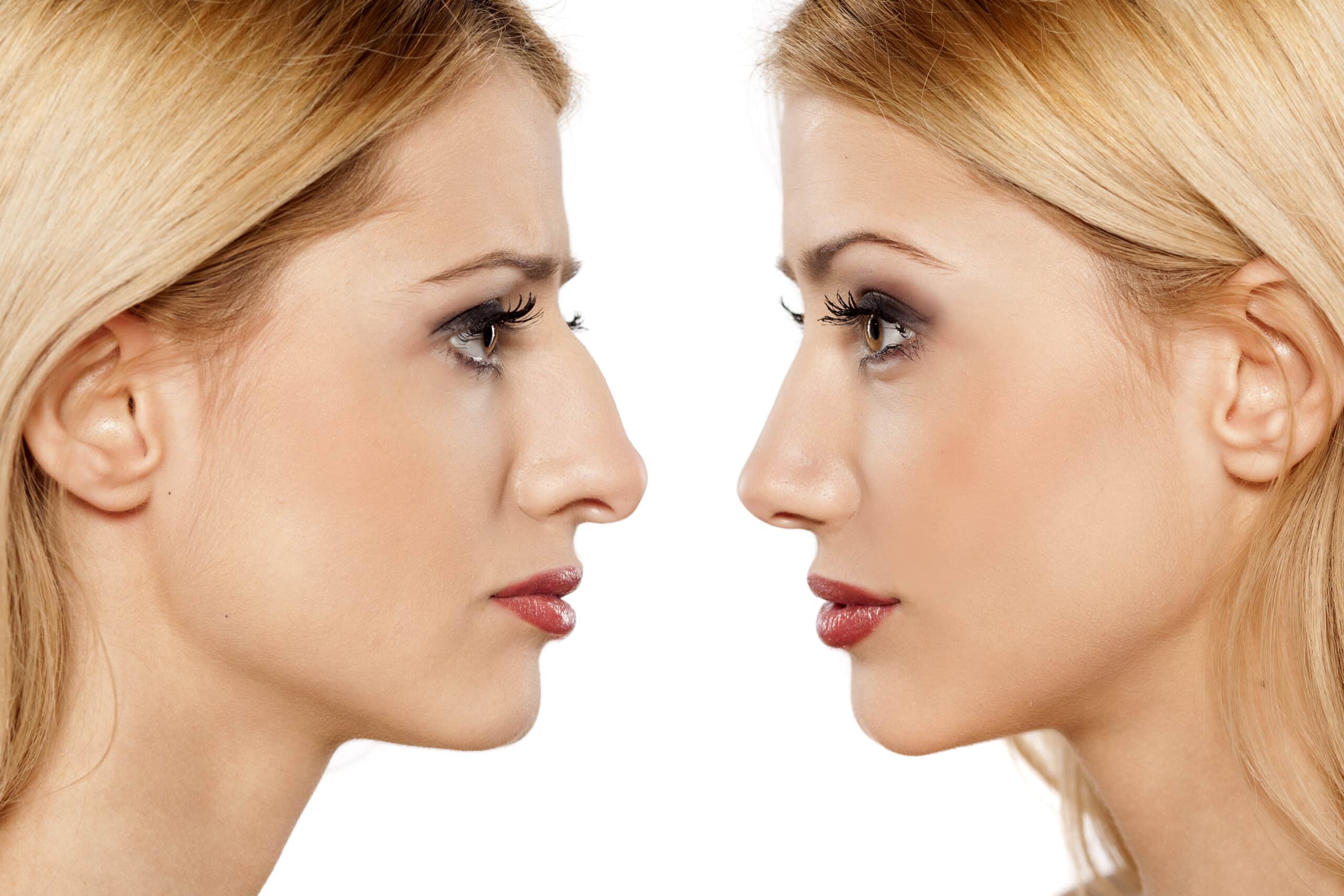
The Main Challenge: Everything Shows
The same quality that helps definition can also work against you. Tiny irregularities, graft edges or rough cartilage can become visible, and over-aggressive reduction can leave the nose looking pinched or hollow. Thin skin also has less cushioning, so there is less room for error. This is why surgeons working on thin-skinned noses focus on smooth, precise technique and careful handling of tissues.
Techniques That Protect Thin Skin
Surgeons often use several strategies to keep results smooth:
- Using soft, well-shaped cartilage and rounding the edges of grafts
- Placing a thin layer of soft tissue or fascia over the framework when needed
- Preserving natural structure instead of heavy cutting
- Making conservative changes that respect the skin’s limits
- Closing incisions with fine, careful stitching
These steps help hide the underlying framework and reduce the risk of visible edges.
Why Over-Reduction Is a Special Risk
When too much cartilage or bone is removed, thin skin can shrink tightly over the weakened structure. This may cause a pinched tip, an overly narrow bridge or even breathing trouble from collapsed sidewalls. Restraint is therefore one of the most important principles. A good surgeon would rather leave a small improvement to be refined later than risk removing too much from a nose with little skin to cover mistakes.
Healing and Skin Care
Thin skin generally heals with less long-term swelling, but it can look redder and more sensitive in the early months. Sun protection is especially important, because thin skin burns easily and may show pigmentation changes. Use only the products your surgeon approves, avoid harsh scrubs and keep the nose clean. Watch for any unusual redness or tenderness, and report it promptly. Gentle care helps the delicate skin settle comfortably.
Possible Long-Term Concerns
Over time, thin skin may reveal small contour changes, such as a graft edge or a slight irregularity. These issues are not common when the surgery is done carefully, but they are a reason to choose an experienced surgeon. Smoking and sun damage can further thin the skin and increase the risk. Regular follow-up lets your surgeon detect and manage any problem early.
Questions to Ask Your Surgeon
Consider asking:
- How will you protect against visible edges or irregularities?
- Will you use soft tissue coverings or only cartilage?
- Do you recommend a conservative plan for my skin type?
- Can I see photographs of patients with similarly thin skin?
- How will my healing differ from someone with thick skin?
Conclusion
Rhinoplasty in Islamabad can work beautifully for thin-skinned noses when the surgeon is precise and conservative. Thin skin allows excellent definition and faster settling, but it also exposes every irregularity, so technique and restraint are vital. Choose an experienced surgeon, protect your skin from the sun and follow aftercare closely. With careful planning, a thin-skinned nose can heal into a smooth, refined and natural shape.