

Advanced Laser Tattoo Removal for Multicoloured Tattoos at Glamorous Dubai
Tattoos are a popular form of self-expression, allowing people to showcase their personalities, memories, and artistic preferences. However, personal tastes can change over time, and some individuals may eventually decide that they no longer want a particular tattoo. Removing a multicoloured tattoo can be more complicated than removing a simple black design because different pigments respond differently to laser energy. Modern laser technology has made the process more advanced, offering effective options for treating various ink colours while protecting the surrounding skin. Laser Tattoo Removal in Dubai provides individuals with access to modern treatment approaches designed to address unwanted tattoos with greater precision and care. Multicoloured tattoos often contain several pigments, including red, blue, green, yellow, orange, purple, and black. Each colour has a different chemical composition and absorbs light at particular wavelengths. Consequently, a laser setting that works effectively on black ink may not produce the same results on green or yellow pigments. Understanding these differences is essential when developing an appropriate tattoo removal plan.
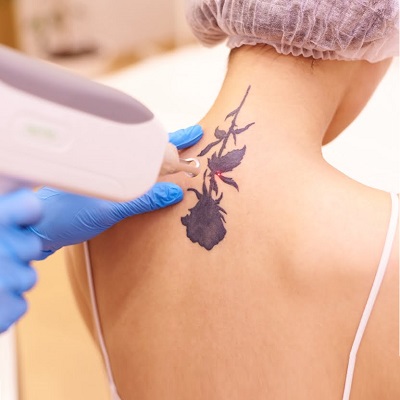
Why Are Multicoloured Tattoos More Difficult to Remove?
Removing a multicoloured tattoo requires careful consideration because each pigment reacts differently to laser energy. Black ink generally absorbs a broad range of laser wavelengths, making it comparatively easier to target. Other colours may absorb only specific wavelengths, requiring specialised equipment and carefully selected treatment settings.For example, red pigments often respond well to certain green-light wavelengths, while blue and green pigments may require different laser technologies. Yellow, white, and pastel inks can be particularly challenging because they may not absorb sufficient laser energy at commonly used wavelengths. The depth of the pigment, ink density, tattoo age, and skin characteristics can also influence the treatment response.Professional assessment is therefore important before beginning treatment. A qualified practitioner can examine the tattoo's colours, size, location, and overall appearance to determine which laser technology and treatment approach may be appropriate.
How Advanced Laser Technology Works?
Advanced laser tattoo removal uses concentrated pulses of light energy to target tattoo pigments within the skin. The laser energy is absorbed by the ink particles, producing a photomechanical effect that breaks larger pigment particles into smaller fragments. The body's immune system gradually processes and removes these fragments through natural biological mechanisms.Modern laser systems can deliver extremely short pulses of energy, helping target tattoo pigments while limiting unnecessary heat exposure to surrounding tissues. This approach is particularly useful when treating multicoloured tattoos because the practitioner can select different wavelengths according to the pigments being addressed.The treatment does not remove all tattoo ink instantly. Instead, multiple sessions are generally necessary to allow the body to clear fragmented particles between appointments. The number of sessions depends on several factors, including the colours used, ink concentration, tattoo depth, and individual healing response.
Different Laser Technologies for Multicoloured Tattoos
Several laser technologies are used in modern tattoo removal, and the most appropriate option depends on the tattoo's characteristics and the patient's skin type.Q-switched lasers have traditionally been used for tattoo removal because they deliver short, high-energy pulses that break down pigment particles. Different wavelengths can target different ink colours, making these systems useful for treating a variety of tattoo designs.Picosecond lasers represent another advanced option. They deliver energy in extremely short pulses, often measured in trillionths of a second. These rapid pulses create a strong photomechanical effect that can help fragment stubborn pigment particles. Depending on the laser system and ink composition, picosecond technology may be particularly useful for certain blue, green, and resistant pigments.Some treatment systems offer multiple wavelengths, allowing practitioners to adjust the laser according to the colours present in the tattoo. However, no single laser is guaranteed to remove every pigment completely. A professional assessment helps establish realistic expectations and identify the most suitable technology.
Removing Black and Dark-Coloured Tattoo Ink
Black ink is generally considered one of the more responsive tattoo pigments during laser removal. It absorbs several laser wavelengths effectively, allowing practitioners to target dark particles with appropriate settings.Dark blue and dark purple pigments may also respond to certain laser wavelengths, although their treatment requirements can differ from those of black ink. The practitioner evaluates the pigment's appearance, density, and depth before selecting the appropriate approach.Even when dark colours respond well, complete removal cannot be guaranteed. Some tattoos contain deeply deposited or highly concentrated ink that requires additional sessions. Gradual fading is an important part of the treatment process, and the skin needs sufficient time to recover between appointments.
Treating Red, Orange, and Yellow Tattoo Pigments
Warm-coloured tattoo pigments require specific consideration because they absorb different wavelengths of laser energy. Red ink often responds to specialised laser wavelengths, although results depend on the pigment formulation and depth.Orange pigments may also respond to selected wavelengths, but their removal can require a customised treatment approach. Yellow ink is frequently more difficult to remove because it absorbs less energy at many commonly used laser wavelengths.White and light-coloured pigments can be particularly challenging. Some white inks contain ingredients that may darken or change appearance following laser exposure. For this reason, practitioners should carefully evaluate these pigments before proceeding with treatment.A personalised strategy helps reduce unnecessary exposure while addressing individual colours according to their responsiveness.
Removing Blue and Green Tattoo Pigments
Blue and green pigments are frequently found in decorative, artistic, and detailed tattoos. These colours can be difficult to remove using traditional laser systems because they do not absorb every laser wavelength equally.Advanced picosecond technology and specialised wavelength options may improve the treatment of certain blue and green pigments. However, the effectiveness depends on the exact ink composition, pigment concentration, and skin characteristics.Green ink is particularly variable because different formulations may respond differently to laser exposure. Some green pigments fade gradually, while others may require several treatment sessions or remain partially visible.Practitioners usually assess the tattoo's individual colours and may recommend a cautious approach when treating resistant pigments. This helps manage the risk of skin irritation and unwanted pigment changes.
The Importance of a Personalised Treatment Plan
Every multicoloured tattoo is different, which means a standardised treatment approach may not provide the best outcome. A personalised treatment plan considers the tattoo's size, colour distribution, age, location, and depth.Skin tone is another important factor. Laser energy must be selected carefully to minimise the risk of unwanted changes to the natural skin pigment. People with darker skin tones may require particular attention because certain wavelengths and treatment settings can increase the risk of pigmentation changes.During an initial consultation, the practitioner examines the tattoo and discusses the patient's expectations. Previous removal treatments, existing scars, skin sensitivity, and relevant medical history may also influence the recommended approach.In some cases, a small test spot may be considered to evaluate how the skin and tattoo pigment respond before treating a larger area.
What Happens During a Laser Tattoo Removal Session?
A typical treatment begins with an examination of the tattoo and preparation of the treatment area. The skin is cleaned, and appropriate protective eyewear is provided to protect the patient's eyes from laser exposure.Depending on the tattoo's size, colour, and location, the practitioner selects suitable laser settings. Short pulses of laser energy are then directed towards the tattoo pigments. Patients may experience a snapping sensation, warmth, or temporary discomfort during the procedure.The duration of a session depends on the size and complexity of the tattoo. Smaller designs may require relatively little treatment time, while large, detailed, multicoloured tattoos may take longer.After treatment, temporary redness, swelling, tenderness, or minor blistering may occur. These reactions are part of the possible healing response, although their severity varies between individuals.
How Many Sessions Are Required?
Multicoloured tattoo removal usually requires multiple sessions rather than a single appointment. The total number depends on the tattoo's colours, ink density, depth, age, and the laser technology being used.Some pigments may fade relatively quickly, while others can remain visible for longer. Professional tattoos may contain more concentrated ink than amateur tattoos, potentially making removal more challenging.Sessions are generally separated by several weeks to allow the skin to heal and the immune system to process fragmented ink particles. Treating the same area too frequently may increase the risk of complications without necessarily improving results.A practitioner can provide an estimated treatment schedule following an examination, although the final outcome cannot always be predicted accurately.
Aftercare Following Advanced Laser Tattoo Removal
Proper aftercare is essential for supporting skin recovery and reducing the risk of complications. Patients should follow the specific instructions provided by their practitioner because aftercare requirements may vary according to the treatment area and individual skin response.Keeping the treated area clean and following recommended wound-care instructions can help protect the skin during healing. Patients should avoid scratching, picking, or rubbing the treated area, particularly if blisters or scabs develop.Direct sun exposure should be avoided during the healing period. Once appropriate, broad-spectrum sunscreen can help protect the treated skin from ultraviolet damage and reduce the risk of pigmentation changes.Hot baths, swimming pools, saunas, and strenuous activities that irritate the treated area may also need to be avoided temporarily. Any signs of unusual pain, spreading redness, increasing swelling, or possible infection should be discussed with a healthcare professional.
Possible Side Effects and Safety Considerations
Although advanced laser tattoo removal is widely used, it is not completely free from risks. Temporary redness, swelling, tenderness, blistering, and changes in skin pigmentation can occur after treatment.Some individuals may experience temporary lightening or darkening of the treated skin. In certain cases, scarring or incomplete pigment removal may occur, particularly when the treatment is performed using inappropriate settings or aftercare instructions are not followed.Certain tattoo inks can also produce unexpected colour changes following laser exposure. This is one reason why professional evaluation is important before beginning treatment.Choosing an appropriately trained practitioner and a suitable clinical environment can help reduce avoidable risks. Patients should also discuss any previous allergic reactions, skin conditions, or concerns before treatment.
Factors That Influence the Final Results
Several factors determine how successfully a multicoloured tattoo can be removed. Tattoo age is one consideration because older tattoos may have already experienced some natural fading. Ink composition is equally important because certain pigments are more resistant to laser energy.The depth and density of the ink also influence the process. Tattoos placed deeply within the skin or containing multiple layers of pigment may require additional sessions.Individual immune function plays a role because the body is responsible for gradually clearing the fragmented ink particles. Treatment location can also influence results, as areas with different circulation patterns may respond at different rates.Realistic expectations are essential. While advanced technology can significantly improve tattoo fading, complete removal is not guaranteed for every colour or tattoo design.
Conclusion
Advanced laser tattoo removal has transformed the way multicoloured tattoos are treated, offering more precise approaches for addressing different pigments within the skin. Modern Q-switched and picosecond laser technologies allow practitioners to select appropriate wavelengths according to individual ink colours, helping improve treatment possibilities for complex tattoo designs. However, successful removal depends on several factors, including pigment composition, tattoo depth, skin type, and the body's natural healing response. Multiple sessions, appropriate aftercare, and professional assessment are essential parts of the process. Individuals considering treatment should choose an experienced provider who can evaluate their tattoo and develop a personalised plan based on their needs. Glamorous Clinic Dubai can be considered when exploring professional aesthetic treatment options, with an emphasis on understanding available technologies, discussing individual concerns, and establishing realistic expectations for achieving clearer-looking skin.