

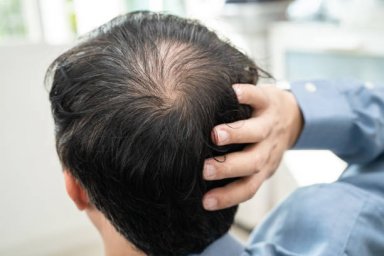
Hair growth is a complex biological process influenced by genetics, hormones, age, nutrition, scalp health, and the natural hair-growth cycle. When follicles become less active or produce increasingly thinner strands, changes in density can become noticeable. For those exploring regenerative approaches, PRP hair treatment in Riyadh uses components derived from the patient’s own blood to support existing hair follicles. Understanding how the treatment works can help individuals develop realistic expectations and make more informed decisions about their hair-care options.
What Is PRP and How Is It Prepared?
PRP stands for platelet-rich plasma, a concentrated blood component containing platelets and various growth factors. During a typical procedure, a small blood sample is collected and processed to separate the platelet-rich portion from other blood components. The resulting preparation is then carefully administered into selected areas of the scalp. The science behind PRP centers on using these concentrated biological components to support the body's natural repair and regenerative processes around existing hair follicles.
The Role of Platelets in Regeneration
Platelets are best known for their role in blood clotting, but they also contain signaling proteins and growth factors involved in tissue repair. When activated, platelets can release biological signals that participate in healing and regeneration. In PRP treatment, the objective is to concentrate these components and introduce them into targeted scalp areas. This may help create a supportive environment around hair follicles and encourage processes associated with healthier follicular activity.
How PRP May Influence Hair Follicles
Hair follicles go through different phases, including growth, transition, and resting periods. Certain forms of hair loss can involve changes in the duration or activity of these phases. PRP is being studied for its potential role in supporting follicular activity and the surrounding tissue environment. PRP hair treatment in Riyadh is therefore designed to target existing follicles rather than simply treating the visible hair shaft. The intended effect is to support follicles that may still have the capacity to produce healthier-looking hair.
What Does the Research Suggest?
Scientific research has investigated PRP as a potential treatment for different forms of hair loss, particularly androgenetic alopecia. Studies have reported that some patients may experience improvements in hair density, thickness, or overall appearance following treatment. However, research findings can vary because PRP preparation methods, treatment protocols, patient characteristics, and follow-up periods differ between studies. This means PRP should be viewed as a treatment option with potential benefits rather than a guaranteed solution for every type of hair loss.
Why Existing Follicles Matter
PRP works primarily by supporting follicles that are still present and potentially active. It does not create completely new follicles or restore areas where follicles have permanently disappeared. This distinction is important when considering expectations. Individuals with early or moderate thinning may have more viable follicles available for stimulation than someone experiencing advanced follicular loss. A professional scalp assessment can help determine whether PRP is appropriate and what type of outcome may realistically be expected.
How a PRP Session Works
A typical PRP procedure begins with drawing a small quantity of the patient's blood. The sample is then processed to concentrate the platelet-rich plasma. Once prepared, the PRP is injected into selected scalp areas where thinning or reduced density has been identified. The technique and treatment areas can vary depending on the patient's condition. Because the procedure uses the patient's own blood components, it is considered an autologous regenerative approach rather than a surgical hair-transplant procedure.
Why Results Develop Gradually
The biological processes associated with hair growth take time. PRP does not immediately produce thicker hair because follicles need to move through their natural growth cycles. Some patients may notice changes in shedding or hair texture before seeing a more noticeable difference in density. Results can vary according to follicle condition, age, cause of hair loss, treatment protocol, and individual response. Follow-up assessments can help evaluate progress and determine whether additional treatment may be appropriate.
Factors That Influence PRP Outcomes
Several factors can affect how an individual responds to PRP. The underlying cause of hair loss, the severity and duration of thinning, the condition of existing follicles, general health, and treatment consistency can all play a role. Lifestyle and hair-care habits may also influence the overall appearance of the hair. This is why personalized assessment is important instead of assuming that the same treatment schedule or outcome will apply to everyone.
PRP and Other Hair Restoration Options
PRP is one of several approaches that may be considered for hair thinning. Depending on the diagnosis, a specialist may discuss other medical, topical, or surgical options. Hair transplantation, for example, involves relocating follicles from one area of the scalp to another, while PRP focuses on supporting existing follicles. PRP hair treatment in Riyadh may be considered independently or as part of a broader hair-management plan when clinically appropriate.
Supporting Your Hair After Treatment
Following professional aftercare guidance is an important part of maintaining scalp health. Patients may be advised to avoid unnecessary scalp irritation immediately after treatment and follow recommendations concerning washing, styling, and other activities. Longer-term hair health can also benefit from balanced nutrition, gentle hair-care practices, and attention to factors that may contribute to excessive shedding. Persistent hair loss should be professionally evaluated rather than attributed to a single cause.
Book Your Consultation at Royal Clinic Saudia
If you want to understand whether PRP could be suitable for your hair concerns, a professional evaluation can provide a clearer picture of your scalp and follicle health. Royal Clinic Saudia offers personalized consultations to assess hair-thinning concerns and discuss suitable treatment approaches. A specialist can explain how PRP works, establish realistic expectations, and help develop an individualized plan based on your needs.
FAQs
What makes PRP different from conventional hair treatments?
PRP uses concentrated components derived from the patient's own blood and is designed to support existing hair follicles through regenerative processes rather than simply treating the visible hair shaft.
Does PRP create new hair follicles?
No. PRP does not create new follicles. Its purpose is to support existing follicles that may still be active and capable of producing hair.
Is there scientific evidence supporting PRP for hair growth?
Research has investigated PRP for certain types of hair loss, with some studies reporting improvements in measures such as hair density and thickness. However, outcomes and study findings vary.
Why does PRP require time to show results?
Hair follicles follow natural growth cycles, and biological changes do not happen immediately. Any improvement therefore develops progressively and can differ between individuals.