

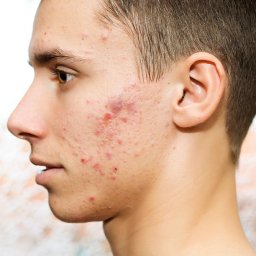
Pimples can make your skincare routine feel complicated, especially when breakouts keep returning despite trying different products. Acne commonly develops when pores become blocked by excess oil and dead skin cells, while hormones, stress, lifestyle habits, and unsuitable skincare products may contribute to flare-ups. Creating a simple and consistent routine can help support healthier-looking skin without overwhelming it. Pimples treatment in Riyadh can combine professional skin guidance with practical daily habits to address common acne concerns and improve the overall appearance of the skin.
Start With a Simple Skincare Routine
An effective acne-care routine does not necessarily need numerous products. Begin with a gentle cleanser that removes excess oil, sweat, and impurities without leaving the skin feeling excessively dry. Follow with a lightweight moisturizer suited to your skin type and use sunscreen during the day. Keeping the routine simple makes it easier to identify which products work well for your skin and reduces the risk of irritation caused by using too many active ingredients.
Cleanse Without Overwashing
Washing your face too frequently may seem like an effective way to control oily skin, but excessive cleansing can cause dryness and irritation. Cleanse gently in the morning and before bed, and consider cleansing after significant sweating. Avoid rough towels, abrasive scrubs, and aggressive rubbing. The goal is to keep the skin clean while preserving its natural protective barrier.
Choose Products Carefully
Skincare products can have a major effect on acne-prone skin. Look for lightweight, non-comedogenic formulas that are less likely to clog pores. Heavy creams, oily cosmetics, or products that do not suit your skin type may contribute to congestion. When introducing a new product, add it gradually instead of changing your entire routine at once. This allows you to understand how your skin responds.
Keep Your Skin Hydrated
Oily or acne-prone skin still needs moisture. When the skin becomes excessively dry, it can feel irritated and uncomfortable, potentially making your routine harder to maintain. A suitable moisturizer helps support the skin barrier and can make the skin feel more balanced. Choose a formulation based on whether your skin is oily, dry, combination, or sensitive.
Avoid Common Acne-Care Mistakes
One of the biggest mistakes people make is picking, squeezing, or repeatedly touching pimples. This can irritate the affected area and increase the possibility of lingering marks or scarring. Another common mistake is using several strong acne products simultaneously in an attempt to get faster results. Instead, introduce products gradually and follow a consistent routine.
Pay Attention to Your Daily Habits
Small habits can influence the condition of acne-prone skin. Clean makeup brushes regularly, change pillowcases frequently, and wipe down objects that regularly touch your face, such as mobile phones. Remove makeup before going to bed and avoid sleeping with products that are not designed for overnight use. If you exercise, cleansing your skin after heavy sweating can also help remove accumulated sweat and impurities.
Support Your Skin From Within
Your skincare routine is only one part of maintaining healthy-looking skin. Adequate sleep, regular physical activity, stress management, and a balanced diet can support overall well-being and skin health. Some individuals may notice that specific foods seem to coincide with breakouts, so keeping a personal record can help identify patterns. However, acne triggers vary, and eliminating foods without a clear reason is not always necessary.
Protect Your Skin From the Sun
Daily sun protection is an important part of an acne-care routine. Sun exposure can contribute to uneven pigmentation and may make post-acne marks more noticeable. Choose a sunscreen that feels comfortable on your skin and is appropriate for your skin type. Applying it consistently can help protect the skin while you work on improving its overall appearance.
When Should You Consider Professional Care?
A consistent home routine can be useful for mild breakouts, but recurring or severe acne may require professional assessment. If pimples are painful, frequently returning, spreading to different areas, or leaving dark marks and scars, a skincare professional can help determine the underlying concern. Pimples treatment in Riyadh may involve an individualized assessment followed by recommendations suited to the condition and needs of your skin.
Focus on Long-Term Skin Care
Improving acne-prone skin is usually a gradual process rather than an overnight change. Staying consistent with gentle cleansing, moisturizing, sun protection, and appropriate products can create a stronger foundation for your routine. Avoid comparing your progress with others because skin responds differently to products and treatments. If your current routine is not producing the desired results, professional guidance can help you explore more suitable options.
Book an Appointment With Royal Clinic Saudi
If you want professional guidance for recurring pimples or difficulty managing your skincare routine, consider booking an appointment with Royal Clinic Saudi. A professional skin assessment can help you understand your acne concerns and identify an appropriate care plan based on your individual skin needs.
FAQs:
1. How often should I wash acne-prone skin?
Twice daily and after heavy sweating is generally sufficient for gentle cleansing.
2. Should I moisturize if my skin is oily?
Yes. A lightweight, suitable moisturizer can help maintain the skin barrier.
3. Can touching my face cause more pimples?
Frequent touching can transfer oil and impurities and may irritate existing breakouts.
4. When should I seek professional acne care?
Consider professional advice when acne is persistent, painful, recurring, or leaving marks and scars.