

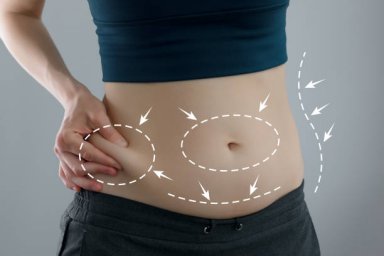
Hanging belly skin can develop after pregnancy, significant weight loss, or natural changes in skin elasticity as the body ages. Excess skin may form folds across the lower abdomen, affecting clothing comfort and the overall body contour. Tummy tuck surgery in Riyadh (عملية شد البطن في الرياض) is a cosmetic surgical procedure designed to remove excess abdominal skin and create a smoother, firmer-looking midsection. Understanding how the procedure works, who may benefit, and what recovery involves can help you decide whether it aligns with your body-contouring goals.
For many people, loose abdominal skin remains even after reaching a stable weight and following regular exercise routines. This happens because stretched skin may not regain its original firmness, particularly after substantial body changes. Tummy tuck surgery in Riyadh may help suitable candidates address hanging belly skin by removing excess tissue and, when appropriate, tightening weakened abdominal muscles. A personalised medical assessment is important to determine the best approach and establish realistic expectations before considering surgery.
What Causes Hanging Belly Skin?
Hanging belly skin can result from several changes in the body. During pregnancy, the abdominal skin stretches to accommodate the growing baby, and the underlying muscles may also separate. After childbirth, some skin may remain loose instead of returning to its previous condition.
Significant weight loss can produce similar changes, particularly when the skin has lost elasticity. Ageing and genetics also influence how effectively skin retracts after stretching. In some cases, the lower abdomen develops an overhanging fold that contains excess skin and underlying fatty tissue. Understanding the cause helps a qualified surgeon determine which treatment options may be appropriate.
How Tummy Tuck Surgery Removes Excess Skin
A tummy tuck, medically known as abdominoplasty, is designed to remove excess skin and improve abdominal contours. During surgery, the surgeon removes selected loose tissue and repositions the remaining skin to create a flatter-looking abdomen. Depending on the patient's anatomy, the procedure may also include tightening weakened or separated abdominal muscles.
Removing Hanging Skin From the Lower Abdomen
When excess skin hangs over the lower abdomen, a tummy tuck may reduce the size of the fold by removing the affected tissue. The amount of skin removed depends on its location, the patient's body shape, and the surgical technique. The procedure leaves a scar, and the surgeon can explain its expected placement and appearance before treatment.
Improving Abdominal Muscle Firmness
Some patients experience abdominal muscle separation, particularly after pregnancy. When clinically appropriate, the surgeon may repair these muscles during the procedure to improve abdominal firmness and contour. Muscle tightening is not necessary for everyone, and the decision depends on the individual's examination and treatment goals.
Who May Benefit From a Tummy Tuck?
People with persistent hanging belly skin who are in generally good health and maintain a stable weight may be suitable candidates. The procedure may be considered after pregnancy or significant weight loss when loose skin does not improve sufficiently through lifestyle changes.
A tummy tuck is not intended to treat obesity or replace healthy weight management. People planning future pregnancies or major weight changes should discuss timing with their surgeon because these changes may affect the results. A consultation helps determine suitability, review medical history, and explain the potential benefits and risks.
Tummy Tuck Surgery Compared With Exercise
Exercise can strengthen abdominal muscles, improve fitness, and support weight management. However, it cannot remove large amounts of excess skin. When hanging belly skin is the primary concern, increased physical activity may improve muscle strength without significantly changing the overhanging tissue.
A tummy tuck addresses loose skin surgically and may include muscle tightening when appropriate. Maintaining healthy habits remains important both before and after surgery, but the procedure and exercise serve different purposes. A qualified surgeon can assess whether excess skin, fat distribution, or muscle separation is contributing most to your concerns.
Preparing for the Procedure
Preparation begins with a consultation that includes a review of your medical history, medications, previous operations, and desired outcomes. Your surgeon may recommend medical tests and explain the surgical technique, expected scar, recovery requirements, and possible complications.
You may be advised to maintain a stable weight, follow a balanced diet, and avoid smoking for a recommended period. Arranging help at home is also useful because daily activities may be restricted during early recovery. Following the medical team's instructions helps you prepare for surgery and understand the process.
Recovery and Aftercare
Recovery varies according to the extent of surgery and individual healing. Swelling, bruising, tightness, and discomfort are common during the early stages. Your surgeon may recommend compression garments, incision care, prescribed medication, and follow-up visits to monitor your progress.
Avoid heavy lifting and strenuous exercise until your surgeon confirms that these activities are safe. Follow wound-care instructions and report unusual changes promptly. Fever, worsening pain, increasing redness, or unusual wound discharge require medical assessment. Chest pain or shortness of breath requires emergency medical attention.
Maintaining Long-Term Results
A tummy tuck can provide lasting improvement in abdominal contours, but it cannot stop natural ageing or prevent future body changes. Significant weight fluctuations and pregnancy may lead to additional skin stretching and changes in the abdominal area.
Maintaining a stable weight and following healthy lifestyle habits can help preserve your results. Attending recommended follow-up appointments and following your surgeon's guidance also supports recovery and long-term care.
Book an Appointment at Royal Clinic Saudi
If you are considering Tummy tuck surgery in Riyadh to address hanging belly skin, contact Royal Clinic Saudi (عيادات رويال كلينك) to arrange a consultation. Discuss your concerns, health history, and desired results with the clinic's team to learn about suitable surgical options, preparation, and recovery. A professional assessment can help you make an informed decision based on your individual needs.
FAQs:
1. Can a tummy tuck remove hanging belly skin?
Yes, it removes excess abdominal skin and improves the overall contour.
2. Can exercise remove loose belly skin?
Exercise strengthens muscles but cannot remove significant excess skin.
3. Is a tummy tuck suitable after weight loss?
It may be suitable when weight is stable and excess skin remains.
4. Will hanging belly skin return after surgery?
Major weight changes, pregnancy, and ageing can affect long-term results.