

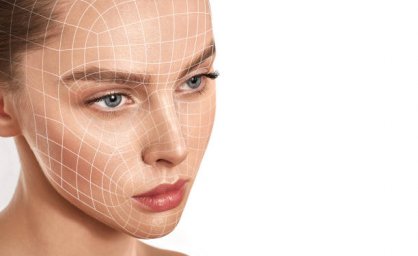
Facial aging can lead to loose skin, deeper folds, and changes in the contours of the cheeks and jawline. Although these changes are a natural part of life, some people seek ways to achieve a fresher appearance without losing the expressions that make their faces unique. Facelift surgery in Riyadh (جراحة شد الوجه في الرياض) may help address visible signs of aging by lifting and repositioning facial tissues while aiming to preserve a natural-looking result. Understanding the procedure, individual facial anatomy, and realistic expectations can help patients make informed decisions.
Why Natural Facial Expressions Matter
Facial expressions communicate emotions, personality, and feelings. A genuine smile, a raised eyebrow, or a relaxed expression contributes to how a person is recognized by others. Cosmetic facial procedures should therefore consider more than skin tightness. The goal is to improve visible signs of aging while maintaining facial character and natural movement.
A result that appears overly tight or noticeably different from a person's usual appearance may not match their expectations. Careful planning can help balance facial rejuvenation with the preservation of individual features. The appropriate approach depends on skin condition, facial structure, the degree of tissue laxity, and the patient's goals.
How Facelift Surgery Works
A facelift is a surgical procedure designed to improve selected signs of aging in the face, particularly around the cheeks, lower face, and jawline. Depending on the individual's needs, the surgeon may lift and reposition underlying tissues and remove a suitable amount of excess skin. The specific technique varies according to facial anatomy and the extent of the changes being addressed.
Rather than simply pulling the skin tightly, surgical planning may focus on supporting deeper tissues and creating smoother contours. This can help reduce the appearance of sagging and prominent folds while avoiding unnecessary tension on the skin. However, no procedure can guarantee a particular aesthetic outcome or preserve every aspect of facial movement.
Factors That Help Preserve Natural-Looking Results
Individual Facial Anatomy
Every face has a distinct structure, including differences in cheek volume, jawline shape, skin thickness, and tissue distribution. A surgeon should evaluate these characteristics before recommending a procedure. An approach suited to one person may not be appropriate for another, so treatment planning should be individualized rather than based on a standard facial shape.
Appropriate Tissue Repositioning
The way facial tissues are repositioned can influence the final appearance. The objective is to improve sagging without creating excessive tightness or an unnatural contour. A qualified surgeon considers how the cheeks, lower face, and surrounding tissues relate to one another when planning the procedure.
Skin Quality and Elasticity
Skin elasticity affects how the skin adapts after underlying tissues are repositioned. Factors such as age, sun exposure, smoking, and general skin condition can influence healing and the appearance of the result. A preoperative assessment helps the surgeon discuss what improvement may be realistic for each individual.
The Importance of Personalized Surgical Planning
Personalized planning is an important consideration for anyone exploring facelift surgery in Riyadh. During a consultation, the surgeon should discuss the areas that concern the patient, their medical history, current medications, previous procedures, and desired outcome. This information helps determine whether a facelift is suitable and which approach may be appropriate.
Patients should explain what a natural result means to them. Some may want to improve jowls and jawline definition, while others may be more concerned about sagging around the cheeks or deeper facial folds. Clear communication helps establish realistic expectations and supports a treatment plan tailored to the patient's facial features.
Recovery and Changes in Facial Appearance
After surgery, swelling, bruising, tightness, and temporary changes in sensation may occur. These effects can make the face appear different during the early recovery period. The appearance immediately after surgery should not be considered the final result, as tissues need time to heal and swelling gradually subsides.
Following postoperative instructions is essential. Patients should attend scheduled follow-up appointments, avoid strenuous activity for the period recommended by their surgeon, and contact the clinical team if they experience concerning symptoms. Recovery varies from person to person, and the surgeon can provide guidance based on the procedure performed and the individual's healing progress.
Risks and Realistic Expectations
Like other surgical procedures, a facelift carries potential risks, including bleeding, infection, scarring, changes in sensation, delayed healing, asymmetry, and complications related to anesthesia. Temporary or, less commonly, persistent changes affecting facial nerves or movement may also occur. Discussing these risks before surgery is an important part of informed consent.
A facelift does not stop the natural aging process, and results vary depending on individual anatomy, healing, surgical technique, and lifestyle factors. The aim is generally to improve selected signs of aging rather than create a completely different face. Patients should ask their surgeon about likely outcomes, limitations, and any alternatives that may better suit their needs.
Choosing a Qualified Facial Surgeon
Choosing an appropriately qualified and experienced surgeon is essential when considering facial rejuvenation. Patients should verify professional credentials, ask about experience with facelift procedures, and review relevant before-and-after photographs while understanding that individual outcomes differ. It is also important to discuss the surgical setting, anesthesia arrangements, aftercare, and the plan for managing complications.
A thorough consultation should provide enough time for questions and should never leave patients feeling pressured to proceed. Understanding the expected benefits, possible risks, recovery requirements, and alternatives helps people make decisions that align with their priorities.
Book a Consultation at Royal Clinic Saudi
People considering facial rejuvenation can consult Royal Clinic Saudi (عيادات رويال كلينك) to discuss their concerns and learn whether a facelift may be suitable for their needs. A professional assessment can help explain available approaches, expected recovery, and ways to pursue a balanced result that respects individual facial features. The decision to proceed should be based on an informed discussion with a qualified medical professional and realistic expectations about the outcome.
FAQs:
1. Can facelift surgery preserve natural facial expressions?
A carefully planned procedure aims to maintain natural-looking facial features, but individual outcomes and risks vary.
2. Will my face look tight after a facelift?
Some tightness is common during recovery. The surgeon's technique and healing process influence the final appearance.
3. How long does it take for swelling to settle?
Swelling usually improves gradually over several weeks, although complete healing and refinement can take longer.
4. How can I prepare for a natural-looking facelift result?
Discuss your goals, medical history, and concerns with a qualified surgeon, and follow all preoperative and postoperative instructions.