

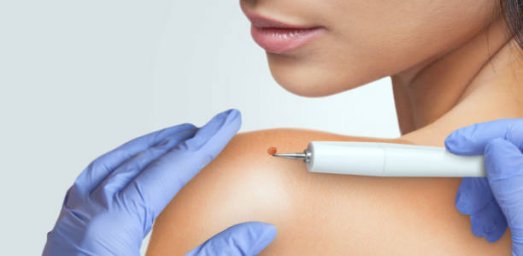
Warts are common skin growths that develop when certain types of human papillomavirus (HPV) affect the outer layer of the skin. They can appear on the hands, feet, fingers, face, and other body areas, sometimes causing discomfort, irritation, or concerns about appearance. Although many warts are harmless, their texture and location can affect daily activities and confidence. Seeking professional advice about Warts removal treatment in Riyadh can help individuals understand the nature of a skin growth and identify an appropriate treatment approach. A proper evaluation is particularly important when a growth changes in appearance, becomes painful, or does not respond to basic care.
Why Professional Assessment Matters
Not every raised or rough skin lesion is a wart. Some other skin conditions can look similar, so identifying the growth correctly is an important first step before treatment begins. During an assessment, a qualified healthcare professional may examine the lesion, ask how long it has been present, and check whether it has changed or spread. Its location, size, thickness, and number can influence the recommended approach. People with diabetes, poor circulation, reduced sensation, or a weakened immune system may need additional precautions. Professional guidance helps reduce the risk of irritating healthy skin or using a treatment that is unsuitable for the affected area.
Common Types of Warts
Common Warts
Common warts often develop on the fingers, hands, and around the nails. They may feel rough and have a raised, uneven surface. Picking or biting these growths can irritate the skin and may contribute to spreading the virus to nearby areas.
Plantar Warts
Plantar warts appear on the soles of the feet. Pressure from walking or standing may push them inward, sometimes causing tenderness or discomfort. They can resemble corns or calluses, making an accurate assessment useful before attempting removal.
Flat and Filiform Warts
Flat warts are generally small, smooth, and slightly raised, while filiform warts have narrow projections and may appear around the face or neck. Because treatment sensitivity can vary by location, facial or delicate-area growths should be assessed before using removal products.
Available Warts Removal Treatment Options
The appropriate method depends on the type of wart, its location, its thickness, and the person's overall skin health. No single treatment works for every case, and some warts may disappear without intervention.
Cryotherapy
Cryotherapy uses controlled freezing, commonly with liquid nitrogen, to damage wart tissue so that it gradually sheds. More than one session may be needed. Temporary discomfort, blistering, or changes in skin colour can occur, so aftercare instructions should be followed carefully.
Topical Treatments
Products containing salicylic acid may help remove layers of wart tissue over time. They usually require consistent application and should be used according to product directions or professional advice. These products should not be applied indiscriminately to the face, sensitive skin, or irritated areas. Individuals with diabetes, circulation problems, or reduced sensation should consult a healthcare professional before treating foot lesions themselves.
Laser and Other Clinical Procedures
In selected cases, a clinician may consider laser treatment, electrosurgery, or curettage. These methods are not necessary for every wart and may be reserved for certain persistent or difficult-to-treat growths. Potential risks include discomfort, scarring, pigment changes, and recurrence. A consultation helps determine whether a procedure is suitable and what recovery may involve.
Protecting Skin Before and After Treatment
Skin protection is an important part of managing warts safely. Before treatment, avoid cutting, scraping, or picking at a growth because these actions can cause injury and spread infected skin cells. Keep the area clean and avoid sharing towels, nail clippers, razors, or other personal grooming tools.
After a professional procedure, follow the recommended wound-care instructions and keep the treated area protected as advised. Avoid removing scabs or blisters yourself, and do not apply unapproved products to healing skin. Contact a healthcare professional if you develop increasing pain, spreading redness, pus, significant swelling, or fever.
Good everyday habits can also reduce the likelihood of spreading HPV to other areas or people. Wash your hands after touching a wart, avoid biting nails around affected fingers, wear footwear in communal shower areas, and keep feet dry. These precautions help protect the skin but cannot guarantee that warts will never return.
Managing Recurrence and Supporting Healthy Skin
Warts may return after successful removal because the virus can remain in surrounding skin. Some growths also need several treatment sessions before they resolve. If a wart persists, multiplies, or returns repeatedly, seek another assessment rather than repeatedly applying strong products without guidance. A lesion that bleeds without an obvious reason, changes rapidly, develops unusual colouring, or looks different from previous warts should be examined promptly.
Healthy skin care supports recovery but does not directly eliminate HPV. Gentle cleansing, avoiding unnecessary friction, and protecting healing areas can help maintain skin comfort. Patience is also important because the appearance of treated skin may take time to settle, particularly after freezing or procedural treatment.
Book a Professional Skin Consultation at Royal Clinic Saudi
If a skin growth is uncomfortable, persistent, or affecting your confidence, professional guidance can help you understand the available options. Warts removal treatment in Riyadh should be selected according to the diagnosis, the location of the growth, and your individual skin needs. Royal Clinic Saudi can be contacted to enquire about an assessment and discuss suitable treatment options, expected recovery, and aftercare recommendations.
FAQs:
1. Are all warts suitable for professional removal?
Most warts can be assessed for treatment, but the best approach depends on their type, location, and the individual's health.
2. Can warts return after treatment?
Yes. Warts can recur because treatment may remove the visible growth without completely eliminating the underlying virus.
3. Is it safe to remove a wart at home?
Some over-the-counter products may be appropriate for certain warts, but facial lesions, uncertain growths, and foot lesions in people with diabetes or circulation problems require professional advice.
4. How can I protect my skin after wart removal?
Keep the area clean, follow aftercare instructions, avoid picking or scratching it, and seek medical advice if signs of infection develop.