

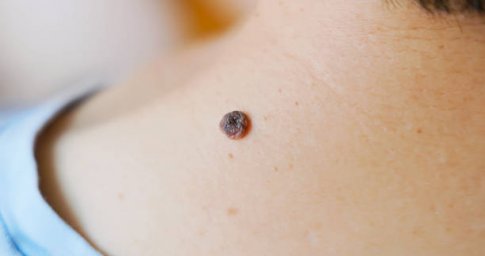
Warts are common skin growths that can develop on different parts of the body, including the hands, feet, fingers, and knees. Although many warts are harmless, they may cause discomfort, spread to nearby skin, or become a cosmetic concern. Choosing a suitable removal method involves more than simply identifying the visible growth. Medical professionals consider the type of wart, its location, size, duration, and the individual's health before recommending treatment. Warts removal treatment in Riyadh can help individuals explore suitable options through a professional skin assessment and a personalised treatment plan.
Why Wart Removal Approaches Differ
Warts develop when certain types of human papillomavirus (HPV) infect the outer layer of the skin. Different warts can have different appearances and may respond differently to treatment. Some are small and raised, while others are flatter or develop beneath the thick skin on the soles of the feet.
The treatment approach also depends on whether the wart causes pain, continues to grow, spreads to other areas, or has remained unchanged for a long time. Some warts disappear naturally without intervention, although this may take months or longer. Others may persist despite repeated treatment.
Because no single method is suitable for every situation, an assessment helps determine whether treatment is necessary and which option offers a reasonable balance between effectiveness, recovery, and potential side effects.
The Type and Appearance of the Wart
Common Warts
Common warts often appear on the fingers, hands, and around the nails. They usually have a rough, raised surface and may feel firm to the touch. Depending on their location, they can interfere with daily activities or become irritated by repeated friction.
Treatment selection depends on the size and number of growths, their proximity to sensitive tissue, and whether previous methods have been successful. Growths close to the nails require particular care because aggressive treatment may damage surrounding skin or affect nail growth.
Plantar Warts
Plantar warts develop on the soles of the feet, especially on areas that bear weight. The pressure of walking or standing can push the growth inward, sometimes causing discomfort that resembles the feeling of a small stone inside a shoe.
Thick skin over the wart can make treatment more challenging. Medical professionals may consider the depth of the growth, its location, and the person's ability to care for the area during recovery. Individuals with diabetes, poor circulation, or reduced sensation should seek professional advice before using wart treatments on their feet.
Flat Warts and Other Skin Growths
Flat warts tend to be smaller and smoother than common warts and may appear in groups. They can develop on the face, hands, or legs, where treatment must account for skin sensitivity and the risk of visible marks.
Not every smooth or raised skin growth is a wart. Moles, skin tags, corns, and other conditions may have similar appearances. If the diagnosis is uncertain, a healthcare professional may recommend additional examination before any removal procedure is considered.
The Location of the Growth
The location of a wart is one of the most important factors in treatment planning. Skin thickness, sensitivity, and healing characteristics vary across the body. A method appropriate for a thick-skinned area of the foot may be unsuitable for delicate facial skin.
Warts near the eyes, around the nails, or in other sensitive areas may require specialised assessment. Treatment in these locations should aim to address the growth while reducing the risk of irritation, pigment changes, scarring, or damage to nearby structures.
The professional also considers how the wart affects everyday activities. A painful plantar wart may require attention because it interferes with walking, while a small wart on the hand may be treated according to its persistence and the patient's preferences.
The Size, Number, and Duration of Warts
A small, recently developed wart may respond differently from a thick or long-standing growth. Multiple warts may require a treatment plan that addresses several areas while protecting healthy skin. Larger or persistent warts can sometimes need repeated sessions or a change in approach if the initial treatment is unsuccessful.
The duration of the condition is also relevant. A wart that has been present for a long time may have developed thicker surface skin or resisted previous treatments. The professional will review any products or procedures already tried to avoid unnecessary repetition and identify reasonable alternatives.
Medical History and Individual Health
Conditions That Affect Healing
Medical history can influence which treatment methods are appropriate. Diabetes, circulation problems, reduced sensation, immune system conditions, and certain medications may affect healing or increase the risk of complications.
Patients should disclose these factors during the consultation, especially when the wart is on the foot or another area prone to pressure. Professional guidance can help reduce the risk of skin injury and support appropriate aftercare.
Previous Treatment Results
The response to earlier treatment is another consideration. Some warts improve with topical products, while others may persist or recur. A professional may recommend continuing an appropriate treatment, adjusting the method, or considering a clinical procedure depending on the results and any side effects.
There is no guarantee that a particular procedure will permanently eliminate a wart. The HPV responsible for the growth can remain in surrounding skin, and recurrence is possible.
Common Wart Removal Options
Topical Treatments
Products containing salicylic acid gradually break down layers of affected skin and are commonly used for certain ordinary and plantar warts. They usually require regular application over several weeks and must be used according to the instructions.
These products are not suitable for every growth or body area. They should not be applied to facial or genital lesions without specific medical guidance, and people with conditions affecting foot health should consult a professional before using them.
Cryotherapy
Cryotherapy uses controlled freezing, commonly with liquid nitrogen, to damage wart tissue. The treated area may become sore or develop a blister, and multiple sessions may be necessary. Temporary pigment changes and scarring are also possible.
Whether cryotherapy is appropriate depends on the wart's location, size, and the person's health. The professional should explain the expected treatment course and potential side effects before proceeding.
Other Clinical Procedures
Persistent warts may sometimes be treated using selected surgical or energy-based procedures when other methods have not worked or are unsuitable. These approaches may involve local anaesthesia and require specific wound-care instructions. Possible risks include discomfort, bleeding, scarring, and recurrence.
Warts removal treatment in Riyadh can begin with an assessment to determine whether one of these methods is appropriate and to discuss alternative options when necessary.
How to Prepare for a Wart Removal Consultation
Before an appointment, note when the growth appeared, whether it has changed, and which treatments you have already tried. Mention any pain, bleeding, or other symptoms, along with relevant medical conditions and medications. Avoid cutting, burning, or aggressively scraping an unidentified growth at home.
A consultation provides an opportunity to ask about expected recovery, possible side effects, the number of sessions that may be required, and the likelihood of recurrence. Understanding these details helps you make an informed decision about your care.
Book a Wart Assessment at Royal Clinic Saudi
Selecting the right wart removal method begins with an accurate assessment of the growth and the factors that may affect treatment. Royal Clinic Saudi can be contacted to enquire about a consultation and available wart removal options. A healthcare professional can explain the possible approaches, discuss their limitations, and recommend next steps based on individual needs.
FAQs:
What is the most important factor in choosing a wart removal method?
The type and location of the wart are key considerations, along with its size, symptoms, previous treatments, and the person's medical history.
Can every wart be removed in one session?
No. Some warts need repeated treatments, while others may take weeks or longer to respond. The treatment course depends on the method and the growth.
Does wart location affect the risk of scarring?
Yes. Delicate areas, including the face and skin around the nails, may need more cautious treatment to reduce the risk of visible marks or tissue damage.
Can warts return after removal?
Yes. Warts can recur after treatment because the virus may remain in nearby skin. Follow-up advice can help address persistent or returning growths.