

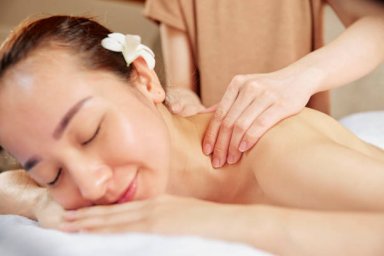
Recovery is an important part of maintaining physical comfort and returning to everyday activities after certain medical procedures or periods of physical strain. Choosing an appropriate recovery approach can help people understand their bodies and make informed decisions about their well-being. People exploring Lymphatic massage in Riyadh (التدليك اللمفاوي في الرياض) often want to learn how gentle massage techniques may support fluid management, relaxation, and selected recovery plans. Manual lymphatic drainage uses light, rhythmic movements to encourage lymph fluid movement and may be recommended by healthcare professionals when appropriate.
Every recovery journey is different, depending on a person's health, the procedure involved, and individual healing needs. For those considering Lymphatic massage in Riyadh, understanding its purpose and limitations is essential before adding it to a recovery routine. This specialized technique may help manage certain types of swelling when included in an appropriate care plan, but it cannot replace medical supervision, prescribed medication, or other necessary treatments. A gentle, informed approach focuses on safety, realistic expectations, and the body's individual recovery requirements.
Understanding the Importance of a Gentle Recovery
Recovery involves several processes, including tissue healing, restoration of movement, and management of discomfort or swelling. Depending on the situation, healthcare professionals may recommend rest, gradual activity, rehabilitation exercises, or specific aftercare instructions. Following an individualized plan helps reduce unnecessary strain and supports a safer return to regular activities.
Why Recovery Needs Differ Between Individuals
Factors such as age, general health, the type of procedure, and existing medical conditions can influence recovery. Some people experience temporary swelling after treatment, while others may require longer-term support for particular health concerns. A recovery approach should therefore be based on professional guidance rather than a standard routine applied to everyone.
Understanding Swelling During Recovery
Swelling may occur when fluid accumulates in tissues following injury or certain procedures. Some swelling is an expected part of healing, but its severity and duration vary. Sudden, worsening, or unexplained swelling should be assessed by a healthcare professional instead of being treated with massage without evaluation.
What Is Lymphatic Massage?
Lymphatic massage, also called manual lymphatic drainage, is a specialized technique involving gentle movements across the skin. It is designed to encourage lymph fluid movement through functioning lymphatic pathways. Unlike deep-tissue massage, it uses light pressure and focuses on lymphatic drainage rather than intensive muscle manipulation.
How Gentle Movements Support Lymph Flow
The lymphatic system collects excess fluid from tissues and returns it to the bloodstream. A trained practitioner uses controlled, rhythmic movements in a sequence adapted to the individual's needs. When lymphatic drainage is impaired, this technique may help manage certain types of swelling as part of a broader treatment plan.
How It Differs From Traditional Massage
Traditional massage often focuses on muscular tension and soft-tissue comfort. Manual lymphatic drainage uses much lighter pressure and follows techniques intended to support lymph movement. Because the purposes differ, the appropriate treatment depends on the person's condition, recovery stage, and healthcare recommendations.
Potential Benefits During Selected Recovery Plans
Lymphatic massage may be considered when swelling management is part of recovery. However, the technique is not necessary for everyone, and its usefulness depends on the procedure or condition being treated.
Supporting Swelling Management
For selected patients, manual lymphatic drainage may help manage swelling associated with impaired lymphatic function or certain postoperative conditions. Healthcare professionals may combine it with compression, exercise, and appropriate skin care. Treatment should be tailored to individual needs and should not be used to treat unexplained swelling without medical assessment.
Encouraging Comfort and Relaxation
The gentle, rhythmic movements may feel soothing and help some people relax during recovery. Improved comfort can support a more manageable recovery experience, although individual responses differ. Lymphatic massage should not be presented as a guaranteed way to accelerate healing or eliminate all postoperative discomfort.
Complementing Professional Aftercare
Recovery may involve several complementary measures, including follow-up appointments, prescribed medication, wound care, and gradual movement. When appropriate, lymphatic massage can form one part of this plan. It should never replace instructions provided by the treating surgeon or healthcare professional.
What to Expect During a Lymphatic Massage Session
A session generally begins with a discussion of medical history, recent procedures, current symptoms, and recovery goals. The practitioner should confirm whether massage is suitable at the current stage of healing. If approved, gentle movements are applied to selected areas according to the treatment plan. The session should not cause significant pain or bruising.
Preparing for Your Appointment
Before treatment, share information about your procedure, medications, healing progress, and any complications. Follow instructions about clothing, positioning, and aftercare. If you have recently undergone surgery, obtain explicit clearance from your surgeon before beginning lymphatic massage. The appropriate timing and frequency depend on the procedure and individual recovery needs.
Safe Recovery Habits to Support Well-Being
Following prescribed aftercare instructions is central to safe recovery. Depending on your condition, a healthcare professional may recommend adequate rest, gradual physical activity, appropriate hydration, balanced nutrition, and careful skin or wound care. Avoid vigorous massage or unapproved treatments, particularly when tissues are still healing.
Recognizing When Medical Advice Is Needed
Increasing pain, spreading redness, fever, wound changes, or rapidly worsening swelling should be assessed promptly. Sudden swelling accompanied by warmth or pain may require urgent evaluation. Chest pain or shortness of breath requires emergency medical attention. People with suspected blood clots, acute infections, or certain heart conditions should seek medical advice before lymphatic massage.
Book Your Appointment at Royal Clinic Saudi
If you are exploring Lymphatic massage in Riyadh as part of a gentle recovery approach, contact Royal Clinic Saudi (عيادات رويال كلينك) to discuss your needs and available treatment options. A consultation can help you understand whether lymphatic massage may be appropriate for your circumstances and what precautions may be necessary. Always prioritize guidance from your treating healthcare professional when planning recovery care.
FAQs:
1. Can lymphatic massage support recovery?
It may help manage certain types of swelling when medically appropriate.
2. Is lymphatic massage suitable after surgery?
Only when your surgeon confirms that it is safe for your recovery stage.
3. Does lymphatic massage speed up healing?
It may support swelling management, but faster healing is not guaranteed.
4. How often should I receive lymphatic massage?
Frequency depends on your condition and your healthcare professional's advice.