

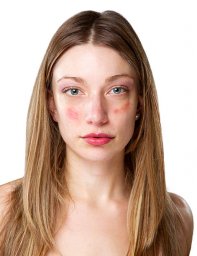
Red birthmarks can be noticeable because of the way blood vessels appear beneath the skin, particularly on the face, neck, or other exposed areas. Their color and visibility vary depending on the type of mark, its depth, and the surrounding skin tone. Understanding Birthmark removal treatment in Riyadh (علاج إزالة الوحمات في الرياض) can help individuals learn whether modern dermatological procedures may reduce the appearance of these marks. The most appropriate approach depends on the diagnosis, as not every red mark is a birthmark and different conditions may require different treatments.
What Causes Red Birthmarks?
Red birthmarks are often associated with differences in the development or arrangement of small blood vessels in the skin. They may appear pink, bright red, or purple, and their visibility can change with temperature, activity, or other factors affecting blood flow. Some are present at birth, while others become noticeable during infancy.
Common Types of Red Birthmarks
Port-wine stains are typically flat, pink, red, or purple marks that may persist and sometimes darken over time. They commonly appear on the face or neck but can occur elsewhere on the body.
Infantile hemangiomas are vascular growths that often become visible shortly after birth. They may grow during early infancy and later shrink, although the extent of change varies.
Salmon patches are common, flat, pink marks often found on the forehead, eyelids, or back of the neck. Many become less noticeable as a child grows, although some may remain visible.
Identifying the specific type of mark helps determine whether treatment is necessary and which options may be appropriate.
Can Treatment Reduce the Appearance of Red Marks?
In selected cases, treatment can make red birthmarks less noticeable by targeting the blood vessels responsible for their color. However, the degree of improvement varies according to the type, size, depth, and location of the mark.
Birthmark removal treatment in Riyadh may include vascular laser procedures or other medically appropriate approaches following a professional assessment. Some marks respond well to treatment, while others may require several sessions or show only partial improvement. Complete removal cannot be guaranteed.
Vascular Laser Treatment
Vascular lasers are designed to target blood vessels within the skin while limiting damage to surrounding tissue. A commonly used option for selected vascular birthmarks is pulsed dye laser treatment, which targets blood within superficial vessels.
The treatment may gradually reduce redness or color intensity over multiple sessions. Temporary swelling, redness, bruising, and changes in pigmentation can occur. Suitability depends on the diagnosis, skin characteristics, and the experience of the treating professional.
Medical Management for Selected Vascular Marks
Not all red birthmarks should be treated with lasers. Certain hemangiomas may require observation, while others need medical treatment if they affect vision, breathing, feeding, or other important functions. The appropriate management depends on the lesion's growth pattern, location, and potential complications.
A healthcare professional should determine whether a red mark requires monitoring, medical management, laser treatment, or another approach.
Factors That Influence Treatment Results
The response to treatment can differ significantly between individuals. Understanding the factors that affect results helps establish realistic expectations before beginning a procedure.
Type and Depth of the Birthmark
Superficial vascular marks may respond differently from lesions involving deeper blood vessels. A specialist evaluates the mark's appearance and characteristics to determine whether a vascular laser or another method is suitable.
Location and Size
A small mark in one area may require a different treatment plan from a larger birthmark covering a broad region. Facial birthmarks may also require additional care because of the sensitivity of the treatment area.
Skin Tone and Sensitivity
Skin tone can influence the choice of laser settings and the risk of unwanted pigmentation changes. The clinician should consider previous reactions to skin treatments, sensitivity, and any history of scarring when planning care.
What to Expect During a Treatment Session
Before treatment, the specialist examines the birthmark, reviews medical history, and explains the expected benefits and risks. Protective eyewear may be necessary during laser procedures, and cooling measures may be used to improve comfort.
The session involves applying the selected device to the treatment area. Some individuals describe the sensation as brief snapping or stinging. The duration depends on the size and location of the birthmark and the technique used.
After treatment, temporary redness, swelling, tenderness, or bruising may develop. The clinician provides specific aftercare instructions and explains when the skin should be reassessed. Multiple sessions may be scheduled when appropriate, with enough time between them for healing and evaluation.
Aftercare for Treated Red Birthmarks
Following aftercare guidance supports skin recovery and helps reduce avoidable irritation. Patients should cleanse the area gently, avoid picking or rubbing the treated skin, and use only recommended products during the healing period.
Sun protection is particularly important for exposed areas because sunlight may contribute to unwanted pigmentation changes. Patients should follow the clinician's instructions about when to resume active skincare products, exercise, or other activities.
If pain becomes severe, redness spreads, blisters worsen, or signs of infection develop, medical advice should be sought promptly. Follow-up visits also help determine whether the birthmark is responding as expected.
When Should a Red Mark Be Evaluated?
A red mark should be assessed if its identity is uncertain, it changes unexpectedly, bleeds, becomes painful, or develops other concerning symptoms. Marks near the eyes or airway, or those that interfere with everyday functions, may need timely specialist assessment.
A professional evaluation can distinguish a vascular birthmark from other causes of redness, such as inflammation or skin conditions. This distinction is important because treatments designed for blood vessels may not be suitable for other skin concerns.
Book a Consultation at Royal Clinic Saudi
If a red birthmark is a concern, a professional assessment can help identify the type of mark and clarify whether treatment may improve its appearance. Royal Clinic Saudi (عيادات رويال كلينك) can be contacted to discuss available assessment options and learn about suitable next steps. A personalized plan should consider skin health, treatment safety, and the realistic level of improvement expected.
FAQs:
Can laser treatment completely remove a red birthmark?
Some red birthmarks become significantly lighter, but results vary and complete removal is not guaranteed.
How many laser sessions might be needed?
The number depends on the type, size, depth, and response of the birthmark. A specialist can estimate the likely treatment plan after an examination.
Are red birthmarks always dangerous?
Many are harmless, but some require monitoring or medical treatment. Changes or symptoms should be assessed by a healthcare professional.
Can red birthmarks become visible again after treatment?
Yes. Some marks may persist or become noticeable again, depending on their type and response. Follow-up assessment can help guide further care.