

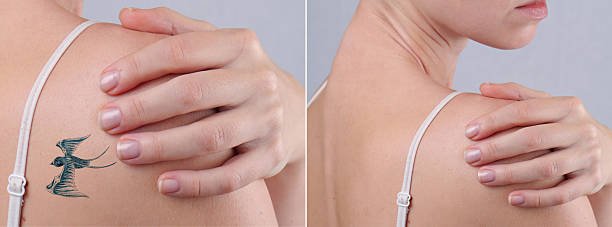
Tattoos placed on delicate areas of the body can present additional considerations when someone decides they no longer want them. Skin around the neck, wrists, ankles, hands, and other sensitive locations may have different levels of thickness, sensitivity, and exposure to friction or sunlight. These factors can influence treatment planning and the healing process. Laser tattoo removal in Riyadh provides an option for gradually reducing unwanted tattoo pigment through controlled laser energy. A careful assessment is particularly important when treating delicate skin, as the approach must consider both the tattoo's characteristics and the surrounding tissue.
Removing a tattoo from a sensitive area requires more than selecting a laser and applying it to the skin. The practitioner needs to evaluate the tattoo's size, ink colours, depth, and location, alongside the patient's skin tone and healing history. Laser tattoo removal in Riyadh can be planned around these individual factors to help reduce unwanted pigment while limiting unnecessary irritation. Although modern laser systems offer different treatment options, results vary, and complete removal cannot always be achieved. Understanding the process can help patients make informed decisions before beginning treatment.
Why Delicate Skin Areas Require Special Attention
Delicate areas may be more sensitive to pressure, friction, and environmental exposure. For example, tattoos on the wrists and hands are frequently exposed to washing, movement, and sunlight. Areas around the ankles may experience rubbing from footwear, while the neck can be exposed to clothing and direct sunlight. These everyday factors can influence how comfortable the skin feels during recovery.
Skin thickness and natural sensitivity also vary across the body. A treatment approach suitable for one location may not be appropriate for another. Practitioners therefore assess the treatment area carefully before choosing laser settings. The goal is to target tattoo pigment while taking reasonable precautions to protect the surrounding skin.
How Laser Tattoo Removal Works
Laser tattoo removal uses focused light energy to target pigment particles within the skin. When the pigment absorbs the laser energy, larger ink deposits are broken into smaller fragments. The body's natural processes gradually remove some of these particles over time, causing the tattoo to fade across multiple sessions.
The laser is selected according to the tattoo's pigment colours and other characteristics. Dark inks often respond differently from green, blue, yellow, or lighter pigments. Some tattoos contain several colours, which may require a more considered treatment plan. The practitioner also takes the location and condition of the skin into account before proceeding.
Common Delicate Areas for Tattoo Removal
Neck and Behind-the-Ear Tattoos
Tattoos on the neck or behind the ears may be noticeable and can be exposed to sunlight, hair products, and clothing. The skin in these locations can be sensitive, so careful positioning and appropriate laser settings are important. Patients should follow specific aftercare guidance to avoid unnecessary irritation during healing.
Wrist and Hand Tattoos
Hands and wrists are frequently used throughout the day, making it difficult to avoid movement and contact with surfaces. These areas are also regularly washed and exposed to sunlight. Following aftercare instructions and protecting the treated skin can help support recovery between sessions.
Ankle and Foot Tattoos
Tattoos around the ankles and feet may experience friction from shoes, socks, and daily movement. Patients may need to adjust footwear or activities temporarily, depending on the treated area and the practitioner's advice. Keeping the skin clean and avoiding rubbing can help reduce irritation during recovery.
Choosing Suitable Laser Technology
Modern laser systems may use different wavelengths to target different tattoo pigments. The choice depends on the ink colours, depth, and characteristics of the tattoo, as well as the patient's skin type. Some systems deliver very short pulses of energy to fragment pigment while limiting unnecessary heat exposure to nearby tissue.
Not every laser is suitable for every tattoo or skin type. A qualified practitioner should explain the technology being considered and why it may be appropriate for the specific treatment area. A small test spot may sometimes be recommended, particularly when pigment behaviour or skin response is uncertain.
Preparing for Treatment on Sensitive Skin
Preparation begins with a consultation and examination of the tattooed area. Patients should share relevant medical history, previous skin reactions, current medications, and any history of unusual scarring or pigmentation changes. The practitioner may also ask about recent tanning, skin irritation, or previous tattoo treatments.
The treatment area should be in a suitable condition before the procedure. Active infections, open wounds, or significant irritation may require treatment to be postponed. Patients should follow the clinic's instructions about sun exposure, skincare products, and preparation before their appointment.
Recovery and Aftercare for Delicate Areas
After laser treatment, the skin may become red, swollen, tender, or temporarily sensitive. Blistering or minor crusting can also occur. These reactions should be managed according to the practitioner's instructions. Patients should avoid picking or scratching the treated area, as this can increase the risk of infection and scarring.
Sun protection is particularly important for exposed areas such as the hands, wrists, and neck. Patients should also avoid unnecessary friction, harsh skincare products, and activities that may irritate the healing skin. The practitioner will advise when normal activities and skincare routines can be resumed and when another session may be appropriate.
Understanding Results and Treatment Expectations
The response to laser tattoo removal differs from person to person. Some tattoos fade noticeably over several sessions, while others may retain visible pigment. Ink colour, depth, density, tattoo age, location, and individual healing all influence the outcome. Delicate skin may require a cautious treatment approach, which can affect the timing and progression of sessions.
Patients should understand that complete removal is not guaranteed. Potential risks include temporary or lasting changes in skin pigmentation, blistering, scarring, and infection. Discussing these possibilities before treatment helps establish realistic expectations and supports informed decisions.
Book a Consultation at Royal Clinic Saudi
Anyone considering tattoo removal from a delicate body area can benefit from a professional skin and tattoo assessment. Royal Clinic Saudi can help patients understand the treatment process, discuss suitability, and consider an approach based on their individual needs. Laser tattoo removal in Riyadh should always be planned with attention to skin sensitivity, safe treatment settings, and appropriate aftercare.
FAQs:
1. Can tattoos be removed from delicate skin areas?
Laser treatment may be suitable for many delicate areas, but an individual assessment is needed to determine safety and suitability.
2. Does tattoo removal hurt more on sensitive skin?
Sensation varies depending on the treatment area and individual pain tolerance. Patients may experience brief stinging or snapping sensations.
3. How long does delicate skin take to recover?
Recovery varies by person and treatment area. Redness, swelling, and tenderness may occur, and the practitioner will advise when the skin is ready for another session.
4. Can laser tattoo removal leave marks on delicate skin?
Pigmentation changes and scarring are possible risks. Careful treatment planning and following aftercare instructions can help reduce avoidable complications.