

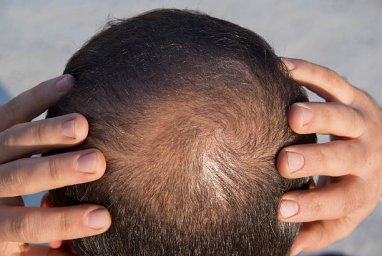
Progressive hair thinning is a gradual process in which hair follicles begin producing strands that are increasingly fine, short, and less noticeable. Although shedding is a normal part of the hair growth cycle, continuous changes in follicle activity can eventually reduce overall hair density. Understanding what happens beneath the scalp helps explain why early assessment is important when considering Hair loss treatment in Riyadh. By identifying the causes of follicle changes, individuals can better understand available treatment approaches and the potential to maintain existing hair.
Hair follicles are responsible for producing new strands through repeated growth cycles. However, genetic factors, hormonal influences, medical conditions, and scalp problems can interfere with their normal activity. In some cases, follicles gradually shrink and produce weaker hair, while other conditions may cause temporary shedding or permanent follicle damage. Exploring Hair loss treatment in Riyadh with a qualified specialist can help determine the type of hair thinning, evaluate follicle health, and identify suitable options for managing the condition.
Understanding the Structure and Function of Hair Follicles
Hair follicles are small structures located within the skin that produce individual hair strands. Each follicle contains specialized cells responsible for forming new hair and supporting its growth. The follicle is connected to surrounding tissues and receives nutrients through a network of small blood vessels.
Healthy follicles repeatedly produce hair through different growth stages. Their activity determines the thickness, length, and general characteristics of individual strands. When follicles are affected by genetic sensitivity, inflammation, or other health factors, their ability to produce strong hair may gradually change.
Although hair strands are visible above the scalp, many important changes happen beneath the skin. This is why examining follicle condition can provide useful information when investigating progressive thinning.
What Happens to Follicles During Progressive Hair Thinning?
Gradual Follicle Miniaturization
One of the most common changes associated with hereditary hair loss is follicle miniaturization. During this process, susceptible follicles gradually become smaller and produce thinner strands with shorter growth periods. Over time, the affected hair may become less visible, making the scalp appear more exposed.
Miniaturization often develops gradually around the temples, hairline, and crown. The pattern can differ between individuals depending on genetic factors and hormonal sensitivity. Early identification may help specialists determine whether treatments designed to manage hereditary thinning are appropriate.
Shortened Hair Growth Phases
Hair follicles normally remain in the active growth phase for an extended period. However, progressive thinning can shorten this phase, meaning strands have less time to develop before entering the resting stage.
As the growth cycle changes, newly produced hairs may become shorter and finer. The balance between growing and resting follicles can also shift, contributing to reduced overall coverage. These changes may become more noticeable when several follicles in the same region are affected.
Reduced Hair Strand Thickness
As follicles become progressively smaller, they may produce strands with a reduced diameter. This can affect the appearance of volume even when the number of active follicles has not changed significantly.
Hair may appear flatter, weaker, or less dense, particularly under bright lighting. Some individuals also notice that their usual hairstyles no longer provide the same coverage. These visible changes can be an early indication that follicle activity is changing.
Possible Permanent Follicle Damage
Not every form of progressive thinning involves permanent follicle damage. However, certain inflammatory and scarring conditions can destroy follicular structures. When this occurs, natural hair regrowth may no longer be possible in the affected areas.
Scalp symptoms such as persistent redness, pain, scaling, or unusual patches should be evaluated by a healthcare professional. Early diagnosis is important because some inflammatory conditions can cause lasting damage if left untreated.
Common Factors That Influence Follicle Health
Genetic and Hormonal Influences
Hereditary hair loss is associated with genetic sensitivity to hormonal activity. In susceptible individuals, certain hormones can gradually influence follicle size and hair production. This process commonly affects specific scalp regions and may progress over several years.
Hormonal changes related to medical conditions or different life stages can also influence shedding patterns. Understanding the individual's medical and family history helps distinguish hereditary thinning from other possible causes.
Nutritional Deficiencies
Hair follicles require adequate nutrients to maintain normal growth and cellular activity. Low levels of iron, zinc, protein, and other essential nutrients may contribute to excessive shedding or changes in hair quality.
When nutritional deficiencies are suspected, a healthcare professional may recommend appropriate investigations. Correcting an identified deficiency can support normal hair growth, although it may not reverse hereditary follicle miniaturization.
Scalp Conditions and Inflammation
Inflammation, fungal infections, and certain skin disorders can interfere with the scalp environment. Some conditions cause temporary shedding, while severe inflammatory disorders may damage follicles permanently.
Managing the underlying scalp condition is an important part of protecting existing hair. Treatment depends on the diagnosis and may involve medicated products or other medical approaches.
Treatment Options for Managing Progressive Hair Thinning
Medical Treatments
Depending on the cause, specialists may recommend topical or oral medications to help manage certain forms of hair loss. Some treatments can slow hereditary thinning or support existing follicles. Their suitability depends on medical history, possible side effects, and individual circumstances.
Consistency is important because visible improvements may take several months. Medical supervision helps evaluate progress and determine whether treatment adjustments are needed.
Platelet-Rich Plasma Therapy
Platelet-rich plasma, commonly known as PRP, uses a concentrated portion of the individual's own blood. After processing, the preparation is injected into selected areas of the scalp. Platelets contain growth factors that may support tissue repair and follicle activity.
PRP may be considered for certain types of hair thinning when follicles remain active. However, results vary, and the procedure cannot reliably restore follicles that have been permanently destroyed.
Hair Transplantation
Hair transplantation may be considered when thinning has resulted in areas of lasting reduced coverage. The procedure involves relocating follicles from a donor region, generally the back or sides of the scalp, to affected areas.
A specialist evaluates donor hair availability, scalp health, the pattern of hair loss, and expected future progression before recommending surgery. Careful planning helps establish realistic expectations for coverage and appearance.
Why Early Follicle Assessment Is Important
Early assessment can help identify changes before thinning becomes extensive. A specialist may examine scalp density, hair strand thickness, follicle distribution, and visible signs of inflammation. Medical history and family patterns may also provide important clues.
In some cases, additional investigations may be recommended to identify nutritional deficiencies, hormonal concerns, or underlying scalp conditions. Understanding the cause allows treatment to focus on the actual problem rather than relying only on cosmetic approaches.
Book an Appointment at Royal Clinic Saudi
Individuals experiencing progressive thinning, reduced hair density, or changes in hair texture can arrange a consultation at Royal Clinic Saudi. A professional assessment can help evaluate follicle condition, identify possible causes, and explain suitable hair restoration options. Early guidance can support informed decisions about managing ongoing hair concerns.
FAQs:
1. Why do hair follicles become smaller during progressive thinning?
In hereditary hair loss, genetic sensitivity to hormonal activity can cause susceptible follicles to gradually miniaturize and produce finer strands.
2. Can miniaturized hair follicles recover?
Some follicles may respond to appropriate medical treatment, depending on their condition and the cause of thinning. Results vary between individuals.
3. Does progressive hair thinning always lead to baldness?
No. The extent and pattern of thinning differ between individuals. Some people experience mild changes, while others develop more extensive hair loss.
4. How can someone determine whether hair follicles are still active?
A specialist can examine the scalp, assess hair density and strand thickness, and recommend further investigations when necessary.