

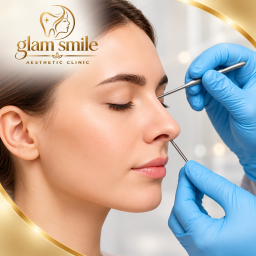
A crooked nose can affect facial appearance, breathing, and overall confidence. It may develop because of genetics, an injury, or an underlying structural problem involving the nasal bones or septum.Rhinoplasty is a surgical procedure that reshapes the nose to improve its appearance and, in suitable cases, its function.For individuals considering Rhinoplasty in Islamabad, understanding how the procedure corrects nasal irregularities can help them make an informed decision.Whether your nose bends slightly to one side or has a more noticeable structural deviation, rhinoplasty may offer a solution depending on the underlying cause. A specialist assessment is essential to determine the most appropriate treatment approach.
What Is a Crooked Nose?
A crooked nose is a condition in which the nose does not follow a straight or balanced line down the centre of the face. The deviation may be visible from the front, side, or underneath.Some people are born with an uneven nasal structure, while others develop a crooked nose after an accident, sports injury, or previous nasal surgery.
Can Rhinoplasty Fix a Crooked Nose?
Yes, rhinoplasty can correct many types of crooked noses by reshaping or repositioning the nasal bones and cartilage. The procedure aims to create better facial balance while maintaining or improving normal nasal function.However, the results depend on the severity of the deviation, the condition of the nasal structures, skin thickness, and the patient's individual anatomy.
How Rhinoplasty Corrects a Crooked Nose
The surgical approach depends on the location and cause of the nasal deviation.
Straightening the Nasal Bones
If the upper portion of the nose is crooked because of displaced nasal bones, the surgeon may carefully reposition them to improve alignment.This may involve controlled bone adjustments to create a straighter nasal bridge.
Reshaping Nasal Cartilage
When cartilage contributes to the crooked appearance, the surgeon may reshape, reposition, or support the affected structures.Cartilage adjustments can help improve the alignment of the lower nose and nasal tip.
.Correcting a Deviated Septum
A deviated septum can cause both visible nasal asymmetry and breathing difficulties.When appropriate, the surgeon may perform septoplasty alongside rhinoplasty. Septoplasty focuses on correcting the internal nasal septum, while rhinoplasty addresses the external shape of the nose.
Improving Nasal Tip Alignment
An uneven nasal tip can make the entire nose appear crooked. Rhinoplasty may involve adjusting cartilage and using appropriate support techniques to create better symmetry.The goal is to achieve a balanced appearance without compromising nasal stability or breathing.Some patients need only rhinoplasty, while others may benefit from combining both procedures.A detailed examination helps determine which approach is appropriate.
What Are the Benefits of Rhinoplasty for a Crooked Nose?
Correcting nasal asymmetry can provide both cosmetic and functional benefits, depending on the patient's condition.
Improved Facial Symmetry
A crooked nose can make the face appear uneven, particularly when viewed from the front. Rhinoplasty can improve nasal alignment and create better balance between facial features.
Better Nasal Appearance
The procedure can address irregularities involving the nasal bridge, bones, cartilage, and tip. This may create a straighter and more proportionate nasal appearance.
Potential Improvement in Breathing
If a deviated septum or another correctable structural problem contributes to nasal obstruction, functional nasal surgery may improve airflow.However, cosmetic rhinoplasty alone does not guarantee better breathing.
Increased Self-Confidence
Some individuals feel uncomfortable about noticeable nasal asymmetry. Improving the appearance of the nose may help them feel more confident about their facial appearance.
Correction of Previous Nasal Injuries
Rhinoplasty can address certain deformities caused by accidents, sports injuries, or previous nasal trauma.The surgical plan depends on the extent of structural damage and whether the nasal bones or cartilage require reconstruction.
Who Is a Suitable Candidate for Crooked Nose Rhinoplasty?
Not everyone with a crooked nose requires surgery. A specialist must assess the nasal structure, overall health, and treatment expectations before recommending rhinoplasty.with certain medical conditions, uncontrolled health problems, or unrealistic expectations may need additional assessment before considering surgery.
How Is Rhinoplasty Performed to Straighten a Crooked Nose?
Rhinoplasty is a personalised surgical procedure. The exact technique depends on the patient's nasal anatomy and the extent of correction required.
Initial Consultation and Examination
The process begins with a consultation during which the surgeon discusses your concerns and examines your surgeon uses these findings to develop an individual treatment plan.
Anaesthesia
Rhinoplasty is generally performed under general anaesthesia, although the anaesthetic approach depends on the procedure and clinical circumstances.The surgical team monitors the patient throughout the operation.
Surgical Incisions
The surgeon may use an open or closed rhinoplasty technique. method depends on the complexity of the correction and the suThe surgeon carefully adjusts the nasal bones and cartilage to improve alignment. Septal correction or cartilage grafting may also be required in selected cases to provide adequate structural support.
Closing the Incisions
After the necessary adjustments, the surgeon closes the incisions and may apply a nasal splint to support the nose during early healing.The patient is then monitored during the initial recovery period.
How Long Does Recovery Take After Rhinoplasty?
Recovery after rhinoplasty happens gradually. Although the initial healing period is relatively short, complete healing and final nasal definition can take several months.
First Week After Surgery
During the first week, splint may remain in place during this period, depending on the surgical technique.
Second Week After Surgery
Many patients notice that bruising and swelling begin to improve. The surgeon may remove the external splint during a follow-up appointment.However, the nose still needs protection, and strenuous activities should be avoided.
First Month After Surgery
Most visible bruising generally resolves, although some swelling may remain. Patients can often gradually return to normal daily activities according to their surgeon's instructions.Contact sports, heavy exercise, and activities that could injure the nose should be avoided until the surgeon approves them.
Three to Six Months After Surgery
The nasal shape becomes more defined as swelling continues to decrease. Subtle changes may remain, particularly around the nasal tip.
Final Results
Final rhinoplasty results can take around 12 months or sometimes longer to become fully apparent. Healing time varies according to the surgical technique, skin thickness, and individual recovery.
What Are the Possible Risks of Rhinoplasty?
Like any surgical procedure, rhinoplasty carries certain risks. Understanding these complications is important before deciding to undergo surgery. that the nose may not become perfectly straight. Natural facial asymmetry, healing patterns, and existing structural limitations can influence the outcome.Choosing an appropriately qualified and experienced surgeon, following postoperative instructions, and attending follow-up appointments can help reduce certain risks.
Can a Crooked Nose Become Crooked Again After Rhinoplasty?
In some cases, the nose may develop residual or recurrent deviation may use structural support techniques or cartilage grafts when needed to improve long-term stability.If significant crookedness remains after healing, revision rhinoplasty may be considered. However, additional surgery requires careful assessment and is not suitable for every patient.
Why Choose Professional Rhinoplasty Consultation at Glam Smile Clinic?
Choosing the right clinic and surgical professional is an important part of the rhinoplasty journey.At Glam Smile Clinic, patients considering nasal reshaping can seek guidance about their aesthetic concerns and explore whether rhinoplasty may be suitable for their needs.During a consultation, patients should discuss their nasal structure, breathing concerns, desired appearance, and realistic treatment expectations.It is also important to understand the qualifications and experience of the surgeon who will perform the procedure, the proposed surgical technique, possible risks, recovery requirements, and follow-up arrangements.A personalised approach helps patients make informed decisions rather than choosing surgery based only on cosmetic expectations.
Important Considerations Before Getting Rhinoplasty
Before undergoing surgery to correct a crooked nose, consider the following factors:Choose an appropriately qualified surgeon: Look for a surgeon with recognised training and experience in rhinoplasty and nasal structural correction.Understand your treatment goals: Discuss which aspects of your nose you want to improve and what results are realistically achievable.Consider breathing function: Cosmetic correction should not compromise the nasal airway. If you experience breathing problems, mention them during your consultation.Discuss the recovery period: Plan sufficient time for healing and follow your surgeon's activity restrictions.Understand the financial commitment: The total rhinoplasty cost may depend on surgical complexity, technique, anaesthesia, hospital facilities, and whether septoplasty or additional reconstruction is needed.Be realistic about symmetry: Rhinoplasty can improve alignment, but perfect symmetry cannot be guaranteed.
Frequently Asked Questions (FAQs)
Can Rhinoplasty Completely Straighten a Crooked Nose?
Rhinoplasty can significantly improve the alignment of many crooked noses by reshaping or repositioning nasal bones and cartilage. However, perfect straightness cannot be guaranteed because natural facial asymmetry, cartilage characteristics, and healing patterns influence the final result.
Is Rhinoplasty Painful?
Rhinoplasty is generally performed under anaesthesia, so patients do not feel pain during the operation. After surgery, some swelling, pressure, congestion, and discomfort are common. These symptoms can usually be managed with appropriate medication and postoperative care.
Can Rhinoplasty Fix a Crooked Nose Caused by an Injury?
Yes, rhinoplasty can correct certain nasal deformities caused by accidents or injuries. The surgeon evaluates whether the nasal bones, cartilage, or septum have been affected and recommends an appropriate correction technique.
Can Rhinoplasty Improve Breathing Along With Appearance?
Yes, in suitable cases, rhinoplasty can be combined with septoplasty or other functional procedures to address structural problems affecting nasal airflow. However, cosmetic rhinoplasty alone does not necessarily improve breathing.
How Long Does It Take to See the Final Results of Crooked Nose Rhinoplasty?
Initial improvements become visible as the early swelling decreases over the first few weeks. However, the nose continues healing for several months, and final results generally become apparent after approximately 12 months. Some patients may require longer for complete healing.
Conclusion
A crooked nose can affect facial balance and, in some cases, make breathing difficult. Rhinoplasty offers a surgical solution for many types of nasal irregularities by correcting the position of nasal bones, reshaping cartilage, and addressing structural problems when necessary.The success of the procedure depends on accurate diagnosis, appropriate surgical techniques, individual anatomy, and proper postoperative care. Although rhinoplasty can create a straighter and more balanced nasal appearance, patients should understand that perfect symmetry cannot be guaranteed.If you are unhappy with your nasal appearance or experience breathing difficulties, consider arranging a professional consultation at Glam Smile Clinic. Discuss your concerns, explore suitable treatment options, and understand the expected benefits and risks before making a decision.