

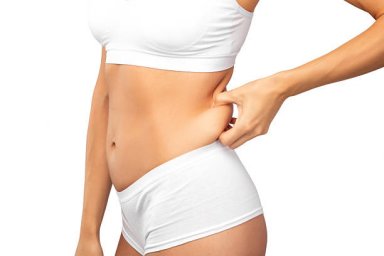
Fat grafting, also known as fat transfer surgery, is a cosmetic procedure that uses a patient's own fat to restore volume and improve facial or body contours. One of the most common questions people ask before treatment is how long the results will last. Individuals researching Fat Grafting, Fat Transfer Surgery cost in Riyadh should also understand that the longevity of results depends on fat survival, the treatment area, surgical technique, and individual healing. While some transferred fat may be absorbed during recovery, the fat cells that establish a lasting blood supply can remain in the treated area.
Unlike temporary injectable treatments, fat grafting transfers living tissue from one part of the body to another. However, the final outcome is not immediate or identical for every patient. Understanding the healing process and factors affecting fat retention can help people develop realistic expectations.
Understanding How Fat Transfer Results Develop
Fat transfer surgery generally involves three stages: harvesting fat from a donor area, processing the collected tissue, and injecting suitable fat into the recipient area. Common donor sites include the abdomen, thighs, and flanks. Depending on the treatment plan, fat may be transferred to the face, breasts, buttocks, or other selected areas.
After injection, the transferred fat cells need to receive nutrients and establish a blood supply from the surrounding tissue. Some cells may not survive this process and are naturally absorbed by the body. The remaining fat cells may become part of the recipient area and provide longer-lasting volume.
This process explains why the initial appearance can change as swelling decreases and the body adjusts to the transferred tissue.
How Long Can Fat Grafting Results Last?
The fat cells that successfully establish a blood supply may remain for many years. However, the amount of fat retained varies between individuals, and some transferred volume is usually lost during the healing process. The final result becomes easier to evaluate once swelling has settled and the transferred fat has stabilised.
Long-term results are also influenced by natural ageing, weight fluctuations, hormonal changes, and lifestyle. Because transferred fat behaves like fat elsewhere in the body, it can increase or decrease in volume when a person's weight changes.
Early Healing and Fat Absorption
During the first weeks and months, the treated area may appear fuller because of swelling and the initial transferred volume. As healing progresses, the body absorbs fat cells that do not establish an adequate blood supply. This is an expected part of the process, although the amount of absorption varies.
Stabilisation of the Final Contour
As swelling decreases and the surviving fat cells stabilise, the treated area's shape becomes more predictable. The timeline depends on the procedure, treatment area, and individual healing response. Patients should attend follow-up appointments rather than judging the outcome too early.
Factors That Affect How Long Results Last
Several factors influence the longevity and appearance of fat transfer results. Understanding them can help patients protect their outcome and follow appropriate aftercare.
Surgical Technique and Fat Handling
Careful harvesting, processing, and injection are important for fat survival. The surgeon must use an appropriate technique and place the fat in a way that supports contact with surrounding tissue. The method may vary depending on the treatment area and individual anatomy.
Treatment Area
Different body areas have different tissue characteristics and movement patterns. Facial fat grafting, for example, may involve delicate placement in areas such as the cheeks or temples. Body fat transfer may involve larger treatment areas and different postoperative positioning requirements. The location can influence both the technique and the recovery plan.
Weight Stability
Transferred fat cells can change in size as body weight changes. Significant weight gain may increase fullness in the treated area, while substantial weight loss may reduce it. Maintaining a relatively stable weight can help preserve more consistent contours.
Overall Health and Lifestyle
General health, circulation, smoking, and healing capacity may influence recovery. Nicotine can impair blood flow and tissue healing, so patients should discuss smoking cessation with their medical team before surgery. Following medical instructions and maintaining healthy habits can support recovery.
Facial and Body Fat Transfer: Differences in Results
Fat grafting can be used for different aesthetic purposes, and the longevity of results depends partly on the recipient area.
Facial Fat Grafting
Facial fat transfer may help restore volume in the cheeks, temples, or areas affected by age-related volume loss. The goal is to improve facial balance while maintaining natural proportions. Some transferred fat may be absorbed, and the remaining volume may change gradually with natural ageing and weight fluctuations.
Body Fat Transfer
Body fat transfer may be used to improve selected contours or restore fullness in areas such as the hips or buttocks. Recovery instructions depend on the area treated. For buttock fat transfer, patients may need to avoid direct pressure on the treated area for a period specified by their surgeon. Strict adherence to safety and positioning instructions is particularly important.
How to Maintain Fat Transfer Results
Although no aftercare routine can guarantee that every transferred fat cell will survive, following medical instructions can support recovery and help protect the treated area. Patients should maintain a stable weight, avoid nicotine as advised, eat a balanced diet, and attend scheduled follow-up visits.
Physical activity should be resumed gradually according to the surgeon's guidance. Patients should not apply pressure, massage the area, or use compression garments over the recipient site unless specifically instructed. The correct aftercare approach depends on where the fat was transferred.
Understanding Treatment Planning and Expectations
People comparing Fat Grafting, Fat Transfer Surgery cost in Riyadh should consider the full treatment plan rather than focusing only on the initial procedure. Consultation, surgical technique, treatment area, anaesthesia, postoperative care, and follow-up appointments all matter when evaluating treatment options.
A surgeon should explain how much enhancement may be achievable, the possibility of fat absorption, and whether additional treatment could be considered later. Patients should be cautious of claims that results are guaranteed or that all transferred fat will survive. Individual outcomes cannot be predicted with complete certainty.
Risks and When to Seek Medical Advice
Fat grafting is surgery and carries potential risks, including infection, bleeding, swelling, bruising, asymmetry, contour irregularities, fat necrosis, and changes in sensation. Some patients may experience oil cysts or develop areas of firmness where fat tissue does not survive.
Buttock fat transfer carries a particularly serious risk of fat embolism if fat enters the bloodstream. Patients should choose an appropriately qualified surgeon who follows recognised safety protocols, including real-time ultrasound guidance where applicable. Sudden chest pain, breathing difficulty, fainting, or severe dizziness after surgery requires immediate emergency medical attention.
Consultation at Royal Clinic Saudi
Understanding how long results may last begins with a personalised assessment of the treatment area, available donor fat, and individual health. At Royal Clinic Saudi, patients can discuss their aesthetic goals, expected fat retention, recovery requirements, and possible limitations with a qualified medical professional. Anyone researching Fat Grafting, Fat Transfer Surgery cost in Riyadh should request a clear explanation of the procedure and its long-term expectations before making a decision.
FAQs:
1. Are fat transfer surgery results permanent?
Some transferred fat cells may survive and remain for many years. However, some fat is naturally absorbed, and long-term results can change with ageing and weight fluctuations.
2. When can the final fat grafting results be seen?
The final contour becomes clearer after swelling decreases and the surviving fat stabilises. This process can take several months, depending on the treatment area and individual healing.
3. Can weight changes affect fat transfer results?
Yes. Transferred fat cells can increase or decrease in size with body weight changes. Maintaining a stable weight may help preserve more consistent results.
4. Can fat grafting be repeated if some volume is lost?
Additional treatment may be considered in selected cases if the patient wants more volume and is medically suitable. A surgeon should assess healing and the existing result before recommending another procedure.