

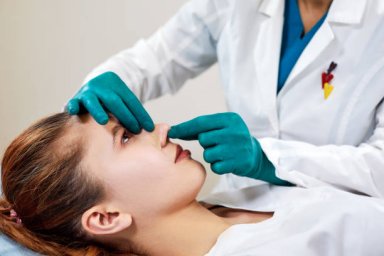
The side profile plays an important role in how the nose contributes to overall facial balance. Features such as a prominent bridge, uneven nasal contour, drooping tip, or lack of definition can make the nose appear different from one side than the other. These variations may be natural or develop following an injury or previous surgery. Rhinoplasty in Riyadh (عملية تجميل الانف في الرياض) offers an opportunity for individuals to explore surgical options for addressing these concerns while considering their existing facial proportions. The aim is not to create an identical nose shape for everyone but to understand which adjustments may help achieve a more harmonious profile.
An irregular nasal profile can involve several structural features, and each requires careful evaluation before treatment is planned. Some individuals notice a raised area along the bridge, while others have a dip, asymmetry, or an angle between the nose and upper lip that affects their appearance. During an assessment for Rhinoplasty in Riyadh, a surgeon examines the nasal bones, cartilage, skin, and supporting structures to determine the nature of the irregularity. This evaluation helps identify an appropriate approach while considering nasal function and realistic surgical outcomes.
Common Causes of an Irregular Nose Shape From the Side
The appearance of the nose in profile is influenced by the relationship between its upper, middle, and lower sections. An irregularity in one area can affect the appearance of the entire nasal contour.
Prominent Nasal Bridge
A prominent nasal bridge, sometimes described as a dorsal hump, creates a raised contour along the upper or middle portion of the nose. It may consist of bone, cartilage, or a combination of both. Depending on the individual's anatomy, a surgeon may consider carefully adjusting the prominent area to create a smoother transition between the bridge and nasal tip.
Depressed or Uneven Bridge
Some people have a nasal bridge that appears lower in one section, creating an uneven side profile. This can be related to natural anatomy, previous trauma, or changes following earlier surgery. Treatment planning may involve evaluating whether the underlying framework requires reshaping or additional structural support.
Drooping or Underprojected Nasal Tip
The nasal tip has a significant influence on the side profile. A tip that points downward may make the nose appear longer, while insufficient projection can affect the relationship between the tip and bridge. Surgical planning may involve adjusting cartilage position or support to improve the overall contour without compromising stability.
How Rhinoplasty Can Address Profile Irregularities
Rhinoplasty involves modifying selected nasal structures to address aesthetic concerns while maintaining or improving function where possible. The technique depends on the type of irregularity, the strength of existing cartilage, skin thickness, and the patient's goals.
Refining the Nasal Bridge
When a prominent or uneven bridge is the main concern, the surgeon may consider reshaping the bone and cartilage to improve the nasal contour. Adjustments must be carefully planned to avoid creating an excessively low or unnatural appearance. The transition between the forehead, bridge, and tip is also considered to maintain facial harmony.
Improving Nasal Tip Position
A drooping or poorly defined tip may require changes to the supporting cartilage. Depending on the anatomy, techniques can involve repositioning cartilage, strengthening support, or using graft material when appropriate. The goal is to create a balanced relationship between the tip and bridge rather than focusing on tip shape alone.
Correcting Structural Asymmetry
An irregular profile may be associated with asymmetry in the nasal framework. In selected cases, reshaping or repositioning structural components may help improve alignment. However, perfect symmetry is not always achievable because natural facial asymmetry is common.
The Importance of Facial Proportions in Profile Planning
A nose should be assessed in relation to the entire face. The forehead, chin, lips, cheeks, and jawline all influence how the nasal profile appears. For example, a nose may seem more prominent when the chin is less projected, even when the nasal structure itself is within a typical range.
A personalized treatment plan considers these relationships before recommending changes. Rather than relying on a standard nose shape, the surgeon evaluates which modifications may complement the patient's existing features. This approach helps establish realistic expectations and avoids unnecessary changes that could affect the natural character of the face.
Choosing the Right Surgical Approach
Different surgical techniques may be considered depending on the complexity of the required adjustments.
Open and Closed Rhinoplasty
Open rhinoplasty uses a small incision across the tissue between the nostrils, allowing direct access to the nasal framework. It may be useful when detailed structural changes are required. Closed rhinoplasty involves incisions inside the nostrils and may be suitable for selected adjustments that can be performed through this approach. The surgeon determines the appropriate method after evaluating the patient's anatomy and surgical goals.
Functional and Structural Considerations
Aesthetic changes should be planned alongside an assessment of breathing. The nasal septum and internal supporting structures contribute to airflow, and existing problems may require attention during surgical planning. Preserving adequate support is particularly important when reshaping the bridge or tip.
Recovery and Expected Changes
After rhinoplasty, swelling and bruising are common during the early recovery period. These effects generally improve over the first few weeks, although swelling around the nasal tip can remain for several months. The final contour may take a year or longer to become fully apparent, depending on skin thickness, surgical complexity, and individual healing.
Patients should follow postoperative instructions, avoid activities that could injure the nose, and attend follow-up appointments. As with any surgery, potential risks include infection, bleeding, scarring, asymmetry, breathing changes, dissatisfaction with the appearance, and possible need for further surgery. Results cannot be guaranteed, and the final outcome depends on individual anatomy and healing.
Planning Your Rhinoplasty Consultation at Royal Clinic Saudi
Addressing an irregular nose shape from the side begins with understanding the features that influence the nasal profile. Royal Clinic Saudi (عيادات رويال كلينك) can help patients discuss their aesthetic concerns, explore suitable treatment considerations, and arrange a consultation to understand the options available for their individual needs.
Frequently Asked Questions
Can rhinoplasty improve a prominent nasal bridge?
Yes. Depending on the underlying bone and cartilage structure, surgery may reduce or reshape a prominent bridge.
Can a drooping nasal tip be corrected with rhinoplasty?
In suitable cases, the surgeon can adjust cartilage position and support to improve the tip's angle and projection.
Will rhinoplasty make my nose perfectly symmetrical?
Not necessarily. Natural facial asymmetry is common, so surgery aims for improved balance rather than perfect symmetry.
How long does it take to see the final side profile after rhinoplasty?
Initial swelling improves over several weeks, but the final nasal contour may take a year or longer to develop.