

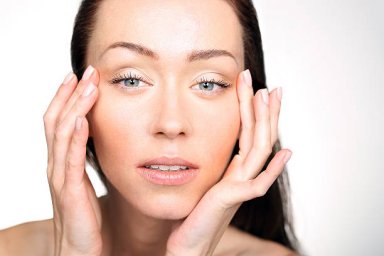
Facial volume plays an important role in maintaining balanced contours around the eyes and cheeks. As the face changes with age, the distribution of natural fat and the strength of supporting tissues can influence how the lower eyelids appear. Some individuals develop prominent under-eye bags because fat becomes more visible, while others experience hollowness that makes existing puffiness look more noticeable. These changes can create shadows, uneven transitions, and a tired facial expression. Understanding how facial volume affects the eye area is useful for anyone exploring Eye bag removal in Riyadh, particularly when the goal is to improve under-eye contours while preserving natural facial proportions. A suitable treatment approach begins with identifying whether fullness, volume loss, or a combination of both is responsible for the visible changes.
The face contains several natural fat compartments that contribute to its shape and provide support to the skin. These compartments are not static; their position and volume can change over time because of aging, genetics, and individual anatomical characteristics. The cheeks may gradually lose fullness, while supporting tissues around the lower eyelids become weaker. As a result, the area beneath the eyes may appear more prominent or uneven. When considering Eye bag removal in Riyadh, understanding the relationship between under-eye fat and surrounding facial volume can help determine which correction method may be appropriate. Treating the visible bulge without considering nearby hollowness may not always produce a balanced result.
Understanding Facial Volume Around the Eyes
The eye area is closely connected to the surrounding cheeks, temples, and middle facial structures. Natural volume in these areas helps create smooth transitions between facial features.
The Role of Under-Eye Fat
Small fat compartments beneath the eyes provide cushioning and help protect the eyeballs. They are supported by delicate membranes and connective tissues that maintain their position. When these supporting structures weaken, the fat may become more prominent and create visible lower eyelid bags. The amount of natural fat and its distribution can vary significantly between individuals.
How Cheek Volume Supports the Lower Eyelids
The upper cheeks contribute to the appearance of the lower eyelid by creating a smooth transition between the eye area and the middle face. When cheek volume decreases, the area beneath the eyes may look more hollow. This can make the border between a bulging lower eyelid and the cheek appear sharper, increasing the visibility of under-eye bags.
Changes in Facial Fat Distribution
Aging can affect different facial fat compartments in different ways. Some areas may lose volume, while others may become more prominent because of changes in tissue support. These variations can influence facial contours and make the lower eyelids appear uneven even when the amount of under-eye fat has not changed significantly.
How Volume Loss Can Make Eye Bags More Noticeable
Volume loss does not always create eye bags directly, but it can change the way existing fullness appears. Understanding these effects helps explain why two people with similar under-eye fat may have noticeably different lower eyelid contours.
Development of Under-Eye Hollowness
When the tissues beneath the eyes and upper cheeks lose volume, a hollow area may develop along the tear trough. This depression can create a visible contrast with nearby fat protrusion. The difference between the raised and recessed areas may make the under-eye region appear more uneven.
Increased Shadows Beneath the Eyes
Hollows and changes in facial contours can affect how light falls across the face. Shadows may become more noticeable beneath the lower eyelids, contributing to a tired or aged appearance. These shadows can sometimes be mistaken for pigmentation or swelling, even when changes in facial volume are a major factor.
Changes in the Eyelid-Cheek Transition
A smooth eyelid-cheek transition helps maintain balanced facial contours. When volume decreases in the upper cheek or supporting tissues weaken, this transition may become more defined. The combination of hollowing and protruding fat can create a more noticeable under-eye contour.
The Difference Between Fat Protrusion and Volume Loss
Although these concerns can occur together, they represent different structural changes. Fat protrusion involves natural fat becoming more visible beneath the eyes, whereas volume loss refers to reduced fullness in surrounding areas. A person may have prominent lower eyelid bags, hollow tear troughs, or both conditions simultaneously.
This distinction matters when evaluating treatment options. Removing too much under-eye fat in someone who already has significant volume loss may create an overly hollow appearance. In other cases, simply restoring surrounding volume may not adequately address a prominent fat bulge. Eye bag removal in Riyadh should therefore involve an assessment of the entire lower eyelid and cheek region rather than focusing only on the visible puffiness.
Treatment Approaches That Consider Facial Volume
The most appropriate approach depends on the location and severity of the volume changes, skin elasticity, and the individual's facial anatomy.
Lower Eyelid Blepharoplasty
Lower eyelid blepharoplasty may be considered when persistent bags are caused by prominent fat deposits or excess skin. Depending on the individual's needs, a surgeon may remove a carefully selected amount of fat or reposition it to improve the lower eyelid contour. Fat repositioning can be particularly relevant when puffiness exists alongside a hollow area beneath the eyes.
Volume Restoration
In selected cases, restoring volume in the surrounding facial area may help soften the transition between the lower eyelids and cheeks. Dermal fillers or other volume-restoration approaches may be considered after careful assessment. However, the under-eye region requires particular caution because treatments can cause swelling, irregularities, or other complications. Not every individual is a suitable candidate for volume restoration.
Combined Treatment Planning
When both fat protrusion and volume loss are present, treatment planning may need to address these concerns together. The practitioner should consider whether the main issue is excess fat, surrounding hollowness, loose skin, or a combination. A balanced approach aims to improve the overall contour without removing or adding unnecessary volume.
Why Individual Facial Assessment Matters
Facial anatomy varies from person to person, so a standard treatment approach may not produce appropriate results for everyone. During an assessment, a qualified practitioner may examine under-eye fat distribution, cheek volume, skin elasticity, eyelid position, and facial proportions. Medical history, eye health, previous procedures, and personal expectations should also be discussed.
Patients should understand the potential benefits and limitations of each option before making a decision. Surgical treatments may involve bruising, swelling, dryness, or changes in eyelid position, while injectable treatments can also carry risks, particularly around the eyes. Choosing an appropriately qualified professional and following individualized guidance are important for safety.
Book a Consultation at Royal Clinic Saudi
If changes in facial volume are making under-eye bags more noticeable, a professional assessment can help identify the underlying concern. Royal Clinic Saudi provides an opportunity to discuss suitable aesthetic approaches and understand how treatment planning can support a smoother lower eyelid contour while respecting natural facial proportions.
Frequently Asked Questions
1. Can facial volume loss make under-eye bags look worse?
Yes. Volume loss beneath the eyes or in the upper cheeks can create hollowness and shadows that make nearby fat bulges more noticeable.
2. Are under-eye fat and facial volume loss the same concern?
No. Under-eye fat creates fullness, while volume loss creates hollowness. Both may occur together and affect the lower eyelid contour.
3. Can fat repositioning improve under-eye hollowness?
In selected cases, repositioning existing under-eye fat may soften the transition between the lower eyelid and cheek.
4. Does everyone with under-eye bags need surgery?
No. Treatment depends on the cause and severity. Some concerns may be managed conservatively, while persistent structural changes may require surgical evaluation.