

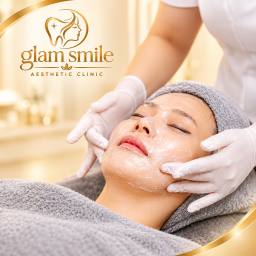
Dark spots and uneven skin tone are common skin concerns that can affect the overall appearance of the face. Sun exposure, hormonal changes, acne scars, and aging can contribute to unwanted pigmentation. Many people explore laser treatments to achieve a clearer and more even complexion.Laser technology has become a popular option for addressing stubborn pigmentation and improving skin appearance. People considering Skin Whitening in Islamabadoften want to know whether laser skin whitening can effectively remove dark spots and restore a brighter complexion.The results depend on the type of pigmentation, skin condition, laser technology, and individual response to treatment. Understanding how laser treatment works can help patients make informed decisions.
How Does Laser Skin Whitening Work?
Laser skin whitening uses focused light energy to target excess melanin, the pigment responsible for skin color. Depending on the laser technology, the treatment can break down concentrated pigment into smaller particles that the body gradually removes through its natural processes.Different laser systems are designed to address specific pigmentation concerns. Some treatments target superficial pigmentation, while others penetrate deeper layers of the skin.A qualified dermatologist evaluates the patient's skin before recommending a suitable laser procedure. This helps determine the appropriate technology, energy assessment settings, and treatment plan.
Can Laser Treatment Remove Dark Spots?
Laser treatment can significantly reduce certain types of dark spots, but complete removal is not guaranteed. Its effectiveness depends on the underlying cause and depth of pigmentation.
Laser treatments may help improve the appearance of:
Sunspots:These develop after prolonged exposure to ultraviolet radiation.
Age spots:Small, darkened areas that commonly appear with aging and sun exposure.
Post-acne marks:Pigmented spots that remain after acne inflammation heals.
Freckles:Small brown spots that may become more noticeable with sunlight.
Uneven pigmentation:Areas where melanin production is irregular.
However, not every dark spot responds to laser treatment. Melasma, for example, can be particularly challenging because it is influenced by hormones, sunlight, and heat. In some cases, laser treatment may worsen melasma or cause pigmentation to return.A proper skin examination is essential before starting treatment.
Types of Laser Treatments Used for Dark Spots
Different laser technologies address different pigmentation concerns. The dermatologist selects the most appropriate option according to skin type and the severity of dark spots.
Q-Switched Laser
Q-switched lasers deliver short, powerful pulses of energy that target concentrated pigment. They are commonly used for certain types of freckles, sunspots, and other pigmentation concerns.The treatment breaks down pigment particles without intentionally removing the entire surface layer of skin. Multiple sessions may be necessary to achieve noticeable improvement.
Fractional Laser Treatment
Fractional lasers create controlled microscopic treatment areas in the skin. They stimulate the body's natural healing process and can improve uneven pigmentation, skin texture, and certain types of acne scarring.Some fractional lasers also encourage collagen production, which may contribute to smoother-looking skin.
Pico Laser
Pico laser technology delivers energy in extremely short pulses. It targets pigment particles and breaks them into smaller fragments that the body can gradually clear.Depending on the device and patient's condition, it may help address freckles, sunspots, and selected forms of pigmentation.Not every laser is suitable for every skin concern, so professional assessment is important.
What Are the Benefits of Laser Treatment for Dark Spots?
Laser treatment offers several potential benefits for people experiencing pigmentation problems.
Improved skin tone:By targeting excess pigmentation, laser treatment can help create a more even-looking complexion.
Reduced dark spots:Certain sunspots, freckles, and post-inflammatory marks may become lighter after treatment.
Better skin texture:Some laser technologies stimulate collagen production, helping improve skin smoothness.
Targeted treatment:Laser energy can focus on specific pigmented areas while limiting unnecessary treatment of surrounding skin.
Gradual improvement:Results generally develop over several weeks as the skin heals and the body clears fragmented pigment.
The benefits vary according to the treatment method, pigmentation type, and individual skin response.
How Many Laser Sessions Are Needed?
The number of sessions depends on the severity, depth, and cause of pigmentation. Some superficial dark spots may improve after one or two sessions, while deeper or more stubborn pigmentation may require multiple treatments.Sessions are usually scheduled several weeks apart to allow the skin sufficient time to recover.Patients should not expect immediate or permanent results after a single appointment. A dermatologist monitors progress and adjusts the treatment plan when necessary.
Is Laser Skin Whitening Safe for All Skin Types?
Laser treatment can be safe when performed by trained professionals using suitable equipment and appropriate settings. However, people with darker skin tones may have a greater risk of post-inflammatory hyperpigmentation, particularly when aggressive laser settings are used.
Possible side effects include:
Temporary redness and swelling.
Mild discomfort or sensitivity.
Temporary darkening or lightening of treated areas.
Scabbing or peeling.
Burns or scarring in uncommon cases.
Worsening of existing pigmentation.
Choosing the correct laser technology and following professional aftercare instructions can help reduce these risks.
How to Care for Your Skin After Laser Treatment
Aftercare plays an important role in protecting the skin and maintaining treatment results. The treated area may remain sensitive for a few days, depending on the laser procedure.
Patients should follow these recommendations:
Apply a broad-spectrum sunscreen with SPF 30 or higher every day.
Avoid direct sunlight and excessive heat during recovery.
Use gentle cleansers and dermatologist-recommended moisturizers.
Avoid harsh exfoliants and irritating skincare products until the skin heals.
Do not scratch, rub, or pick at peeling skin.
Follow the dermatologist's instructions regarding skincare products and follow-up appointments.
Sun protection is particularly important because ultraviolet exposure can trigger new pigmentation and reduce the effectiveness of treatment.
Can Dark Spots Return After Laser Treatment?
Yes, dark spots can return even after successful laser treatment. Laser procedures reduce existing pigmentation, but they do not always prevent the underlying causes from producing new spots.Sun exposure, hormonal fluctuations, inflammation, and certain medications can contribute to recurring pigmentation.People with melasma may require ongoing management because this condition often needs a combination of treatments rather than laser therapy alone.Using sunscreen consistently and following a suitable skincare routine can help maintain improvements.
Are Laser Skin Whitening Better Than Topical Treatments?
Laser treatments and topical skincare products serve different purposes. Topical treatments containing ingredients such as vitamin C, niacinamide, azelaic acid, and dermatologist-prescribed retinoids may help improve mild pigmentation over time.Laser treatment may be considered when certain dark spots do not respond adequately to topical products.In some cases, combining professional treatments with appropriate skincare provides better results. However, the combination should be planned by a qualified dermatologist to avoid irritation and worsening pigmentation.
Conclusion
Laser skin whitening can help reduce several types of dark spots, including sunspots, freckles, and selected post-acne marks. However, results depend on the pigmentation type, skin tone, laser technology, and individual skin response. Some conditions, particularly melasma, require careful evaluation because laser treatment may not always be the most suitable option.Anyone considering Skin Whitening in Islamabadshould seek professional advice before choosing a procedure. At Glam Smile Clinic, patients can explore suitable skin treatment options based on their concerns and individual requirements. A personalized treatment plan, proper aftercare, and consistent sun protection can help support healthier-looking skin and more even complexion.